


iPhone 17 Pro Screen Replacement UK: Sourcing the Panel and Doing the Job
Need this part? We stock tested replacement parts with same-day UK dispatch and a 12-month warranty.
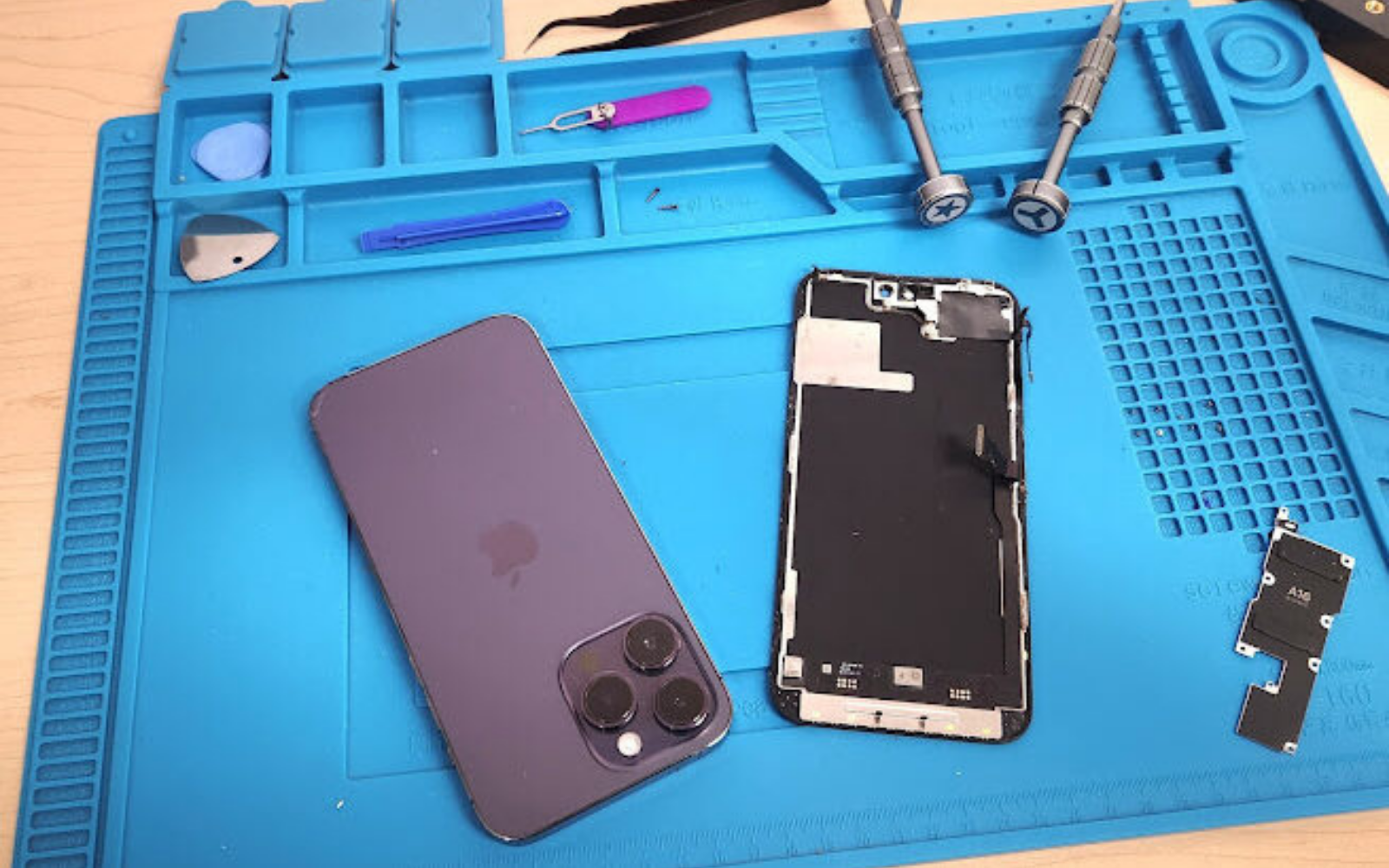
The iPhone 17 Pro and 17 Pro Max are the highest-value screen jobs most UK shops will handle this year, and they are also the ones where an ordering mistake costs the most. A wrong panel on an older handset is an inconvenience; on a 17 Pro it is several hundred pounds of stock sitting on a shelf.
The work itself is familiar. What has changed is the price of getting the details wrong, which is why the sourcing decision deserves as much attention as the technique.
How much does an iPhone 17 Pro screen replacement cost?
Enough that the panel dominates the quote.
On a current flagship, the display assembly is the single largest component in the device and the quote reflects that. The customer’s decision is rarely between two shops; it is between repairing and replacing, and the honest version of that conversation is worth more than a competitive price.
Insurance-backed and warranty work makes up a large share of this model’s screen repairs, which changes how the job should be documented. Where a claim is involved, the intake record, the photographs and the invoice have to stand on their own, because a third party will read them.
Does the iPhone 17 Pro and 17 Pro Max take the same screen?
No, they are two different panels.
The two models differ in size, and their display assemblies are not interchangeable. Naming them correctly at intake is the first control on the order, and the model code on the device is the only reliable way to do it. A customer who says “the big one” has told you nothing useful.
That naming problem is the same one that runs through the whole Samsung and iPad ranges, and it is why model-based part pages exist. Matching a part to a confirmed code rather than to a description is the discipline described in matching Galaxy parts by model number, and it applies identically here.
Which panel options exist for the iPhone 17 range?
Diagnostic panels, service parts and copies.
A diagnostic panel is a test assembly supplied for professional use, intended to prove the board and the touch path before the customer’s own assembly goes on. A service-style assembly is the complete unit a shop fits as the repair. Aftermarket copies exist for the range and vary considerably in quality.
The economics of the three are different. A diagnostic panel is a bench asset used across many repairs, not a part consumed on one job, and it is priced accordingly. Buying one per model is a real cost, and it is usually recovered within a handful of jobs on a device where a mistake means a second panel.
Availability is a fourth factor and it changes month to month. Because the model is current, service-style assemblies arrive in waves rather than as a permanent stock line, so confirm availability before quoting a date to the customer rather than after the order is placed.
What is a diagnostic screen and when do you use one?
A test assembly, used before the final panel goes on.
A diagnostic panel is usually supplied without the final cosmetic finish, or without some of the bonded layers, so it can be connected to confirm that display, touch and the sensor paths all work. It converts an open-device gamble into a tested repair, which is exactly what a high-value job needs.
The alternative is to fit the customer’s new assembly, discover a fault, and then have to lift a bonded panel to find out where the problem is. On a 17 Pro, that sequence costs a panel. The general testing discipline applies to every model, and it is covered in testing a replacement screen before sealing the device.

What changes on the bench with the 17 series?
Tighter tolerances and more paired components.
The 17 series continues the direction of the previous two generations: fewer separate parts, tighter alignment and more components that are paired to the logic board. That makes the transfer step longer and makes the order of operations matter more than it did on older handsets.
The practical consequence is that a 17 Pro screen job should be booked with enough time to do it properly rather than squeezed between two other repairs. The revenue per hour on this model is high, and rushing it is the one way to turn a profitable job into a loss.
How does the 17 series affect display settings and True Tone?
Programming and pairing behaviour still apply.
What a device reports about a replacement display has been part of iOS since the iPhone 11, and Apple documents the behaviour at iPhone parts and service history and at about genuine iPhone displays. On a device of this value, that behaviour should be explained before the repair rather than noticed afterwards.
The technician-side question is whether True Tone and the automatic brightness path survive the assembly being fitted. Where a copy panel loses one of those functions, the customer will find it within a day, so the test belongs in the pre-seal routine rather than in the follow-up call.
Why does the frame matter so much on a 17 Pro repair?
Because a bent frame ruins an expensive panel.
The tolerance between the display edge and the chassis is small on this generation, and a frame that is out by a fraction shows as a visible lip or a touch dead zone at the margin. Where the frame has been damaged, the repair needs a frame-based assembly or a chassis replacement rather than a bare panel.
That is also why impact damage on a 17 Pro should be assessed before the panel is ordered. If the frame is out, the customer is deciding between a larger repair and a replacement device, and the shop needs that answer before committing to the most expensive part in its catalogue.
What should you keep in stock for the 17 series?
Consumables, small parts, and one panel at most.
Holding panels for the whole 17 range is a large amount of capital for a repair that most shops do occasionally. The lines worth holding are the ones that make the job possible on the day: adhesive and gaskets for the range, the small parts that break during a transfer, and a charging port flex.
Where one model produces repeat work, holding a single assembly converts the second job into same-day work and justifies the cash. The wider question of which lines to hold was covered when the range launched in stocking parts for the iPhone 17 series.
How do you quote the job without losing money?
Price the panel, the labour and the failure risk.
On a panel this expensive, the returns allowance is not a rounding error. A single failed assembly that cannot be claimed back can wipe out the profit on several successful repairs, so the quote has to carry the cost of that possibility rather than absorbing it later.
The second control is the deposit. Ordering a flagship panel against a verbal agreement is how shops end up holding stock nobody wants, and a deposit is standard practice on high-value parts in most trades. The pricing structure itself is the one described in pricing a repair so the parts margin survives.
What should be checked before the device is sealed?
Display, touch, Face ID, cameras and the ambient sensor.
All five, with the assembly connected but before the adhesive is closed. A 17 Pro test takes a few minutes and catches the faults that would otherwise require a second panel: touch gaps at the margins, brightness faults, a Face ID transfer that has damaged the module, and a front camera or ambient sensor that is not seated.
Where the repair involves a transfer of components from the old assembly, the testing has to cover the functions those components provide rather than only the display. A panel that lights up correctly but has lost touch at one edge, or a Face ID module that was disturbed during the transfer, are both faults that only appear if they are deliberately looked for.
When should you refer the job to Apple?
When the device is in warranty or AppleCare.
A 17 Pro is a current model, so a meaningful share of the devices arriving at a counter are still covered by the manufacturer. A third-party repair can affect how that cover is treated afterwards, and the customer should know that before the shop takes the job rather than after.
Mentioning the alternative costs the shop a job and keeps a customer, which is usually the better trade. Apple’s own service routing is published at Apple service and repair for iPhone, and it is worth knowing what the manufacturer would charge before a customer asks.
What is the one rule for 17 Pro screen work?
Confirm the panel before you commit the cash.
Model code, panel type, frame condition and reader dependency: four questions, asked before the order rather than after the delivery. On a part this expensive, the cost of asking is a few minutes and the cost of not asking is the panel.
The rest of the repair follows the disciplines that apply elsewhere in this range. Replace the adhesive, transfer the paired components carefully, test everything before sealing, and record what was fitted. Retail customers keep their rights under the Consumer Rights Act 2015, and replaced panels are waste under the Waste Electrical and Electronic Equipment Regulations 2013, with parts placed on the market falling to the Office for Product Safety and Standards.
FAQ
How much does an iPhone 17 Pro screen replacement cost?
The display assembly is the largest single component in the device, so the quote is dominated by the panel rather than the labour. Because a 17 Pro is a current model, many repairs are insurance or warranty jobs, which is why the intake record and invoice need to stand on their own.
Do the iPhone 17 Pro and 17 Pro Max use the same screen?
No. They are two different panels in two different sizes, and they are not interchangeable. Confirm the model code from the device rather than relying on how the customer describes it.
What is a diagnostic screen and do I need one?
A diagnostic screen is a test assembly supplied for professional use. It lets you prove display, touch and the sensor paths before the customer’s own assembly is bonded in. On a flagship repair it usually pays for itself within a handful of jobs.
Should I repair an iPhone 17 Pro that is still under warranty?
Tell the customer about the manufacturer’s service route first. A third-party repair can affect how the manufacturer treats the device afterwards, and mentioning the alternative costs the shop a job rather than a customer.
Flagship panels, matched before they ship. Digi4u lists iPhone 17 Pro and 17 Pro Max assemblies alongside the consumables and small parts the job needs.
{
“@context”: “https://schema.org”,
“@type”: “FAQPage”,
“mainEntity”: [
{“@type”: “Question”, “name”: “How much does an iPhone 17 Pro screen replacement cost?”,
“acceptedAnswer”: {“@type”: “Answer”, “text”: “The display assembly is the largest single component in the device, so the quote is dominated by the panel rather than the labour. Because a 17 Pro is a current model, many repairs are insurance or warranty jobs, which is why the intake record and invoice need to stand on their own.”}},
{“@type”: “Question”, “name”: “Do the iPhone 17 Pro and 17 Pro Max use the same screen?”,
“acceptedAnswer”: {“@type”: “Answer”, “text”: “No. They are two different panels in two different sizes, and they are not interchangeable. Confirm the model code from the device rather than relying on how the customer describes it.”}},
{“@type”: “Question”, “name”: “What is a diagnostic screen and do I need one?”,
“acceptedAnswer”: {“@type”: “Answer”, “text”: “A diagnostic screen is a test assembly supplied for professional use. It lets you prove display, touch and the sensor paths before the customer’s own assembly is bonded in. On a flagship repair it usually pays for itself within a handful of jobs.”}},
{“@type”: “Question”, “name”: “Should I repair an iPhone 17 Pro that is still under warranty?”,
“acceptedAnswer”: {“@type”: “Answer”, “text”: “Tell the customer about the manufacturer’s service route first. A third-party repair can affect how the manufacturer treats the device afterwards, and mentioning the alternative costs the shop a job rather than a customer.”}}
]
}
Part of the Wholesale & Stock Buying guide.