


Infinix Screen Replacement Parts UK: Hot and Note Series Buying Guide
Need this part? We stock tested replacement parts with same-day UK dispatch and a 12-month warranty.
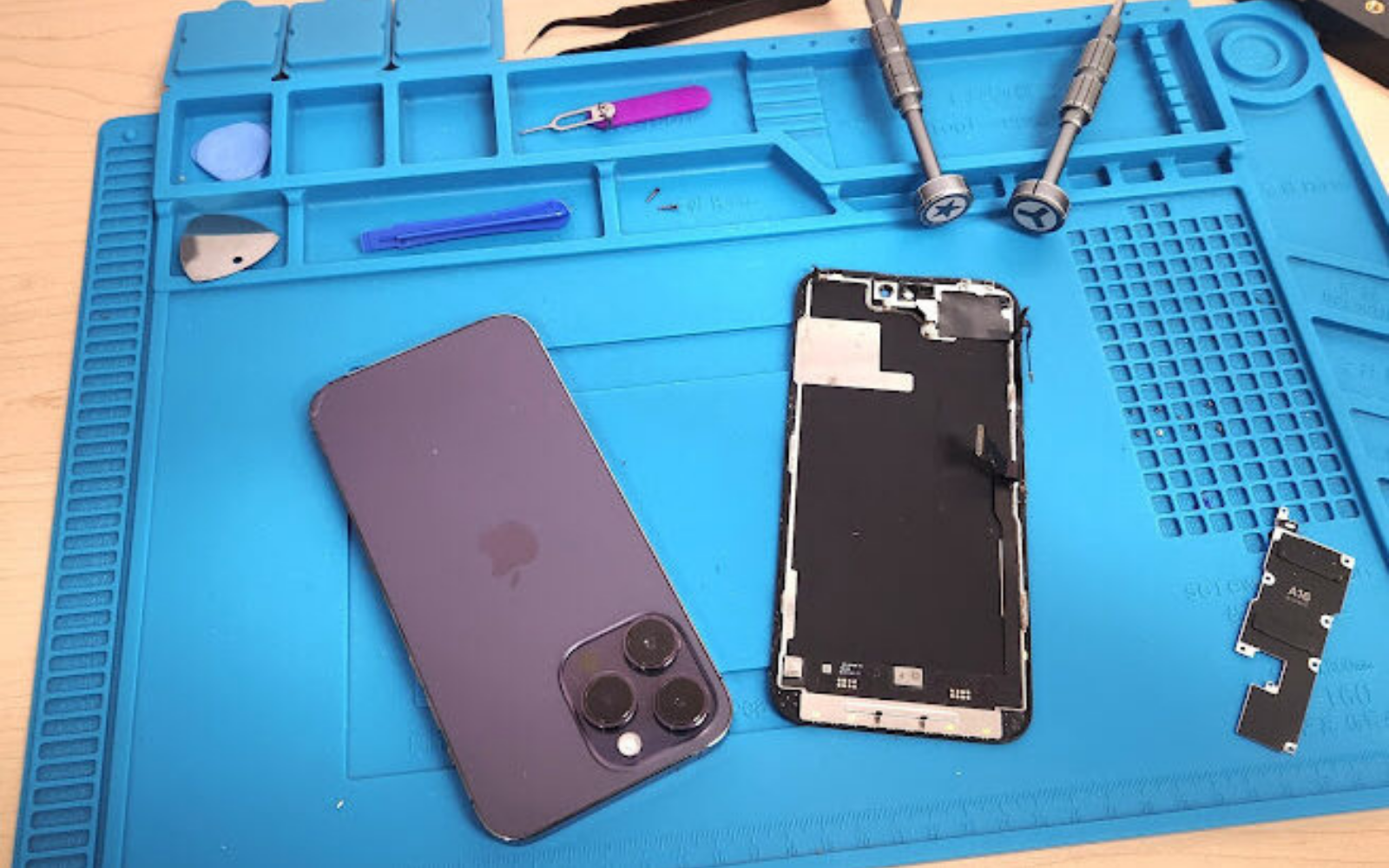
Infinix screen replacement parts UK sourcing is becoming a regular task for repair shops that service the growing Transsion portfolio. The Hot and Note families span dozens of model codes, each with distinct frame-to-panel ratios and adhesive specifications. Marketing names are reused across hardware revisions and regions; record the full model code from the box, SIM tray or About phone screen and match the panel to that code. This guide walks through the SKU selection logic, the economics of low-ASP LCD work, the consumables that should be staged alongside each panel, and the post-swap checks that keep fingerprint and face-unlock functional. It also highlights the packing rules for fragile glass, and why a Tecno bundle can simplify Transsion coverage. Shops should verify current Infinix availability on enquiry, as Digi4u’s live catalogue on 2026-11-15 lists Xiaomi, Redmi, Honor and Oppo screens rather than Infinix codes.
Hot vs Note series: which SKUs justify shelf space
Prioritising stock around the models that actually appear on the bench is the only reliable way to avoid dead inventory. The Hot and Note ranges reuse marketing names across multiple hardware revisions, so a shop that orders by name alone will receive panels that do not fit the device in hand.
Volume patterns differ by region and by retailer. Urban high-street shops tend to see more Note-series devices because those models are sold through carrier contracts, while suburban and market-town outlets report a higher share of Hot-series walk-ins from budget-focused buyers. Neither pattern is universal.
Shops should also track the frame-versus-bare-panel split for each code. Some Hot and Note revisions are only viable as with-frame assemblies because the bezel geometry makes bare-panel alignment impractical on a bench without factory jigs. Others are available both ways, giving the shop a choice between a faster swap and a lower part cost.
| Stocking question | What the shop should record | What not to assume |
|---|---|---|
| Hot versus Note | The marketing family plus the full model code from the handset, box or SIM tray | That every Hot or every Note panel is interchangeable |
| Frame kit versus bare panel | Whether the job needs a framed assembly, a bare LCD, and which adhesive or mesh the bench already uses | A labour-time or price saving that has not been measured on that shop’s tickets |
| Fingerprint / face-unlock | Whether the handset uses an optical under-glass reader, a side-mount reader, or face-unlock, then test and re-enrol after the swap | That those functions will return automatically, or that one secret code applies to every Infinix |
LCD economics vs labour on budget Infinix devices
Low average selling prices on Hot and Note handsets compress the margin between a screen replacement fee and the device’s second-hand value. The shop’s quote must cover the part, the consumables, the bench time and the overheads, while remaining below the threshold where the customer chooses replacement over repair.
The main cost drivers are the panel grade (original pull, refurbished original, or compatible aftermarket), the frame format (with-frame versus bare), and the adhesive system required. With-frame kits reduce bench time because the bezel alignment and screw-hole registration are handled at the factory, but they carry a higher part price.
Shops should calculate the effective hourly rate for each repair by timing the full process — disassembly, cleaning, bonding, reassembly and testing — on a few tickets per model code. That measured time, multiplied by the shop’s labour rate, plus the actual consumable cost, gives a true cost per repair. Comparing that figure against the price the shop can charge locally determines whether a with-frame or bare-panel approach is profitable for that specific code.
Frame kits, adhesive and mesh to stage together
Staging the correct consumables with each panel prevents the mid-repair scramble that leads to mismatched mesh, wrong adhesive viscosity or missing alignment pins. For every model code the shop stocks, the parts bin should contain the matching with-frame assembly (if that is the chosen format) or the bare panel plus a pre-assembled consumable kit: one UV adhesive tube of the specified viscosity, one die-cut mesh sheet cut to that chassis outline, and the correct alignment pin set.
Adhesive shelf life is another factor. UV-curable adhesives degrade over time, especially if stored in warm conditions. Shops should rotate stock on a first-in-first-out basis and mark the receipt date on each tube. A tube that has passed its usable window will cure incompletely, leading to delamination and a comeback repair.
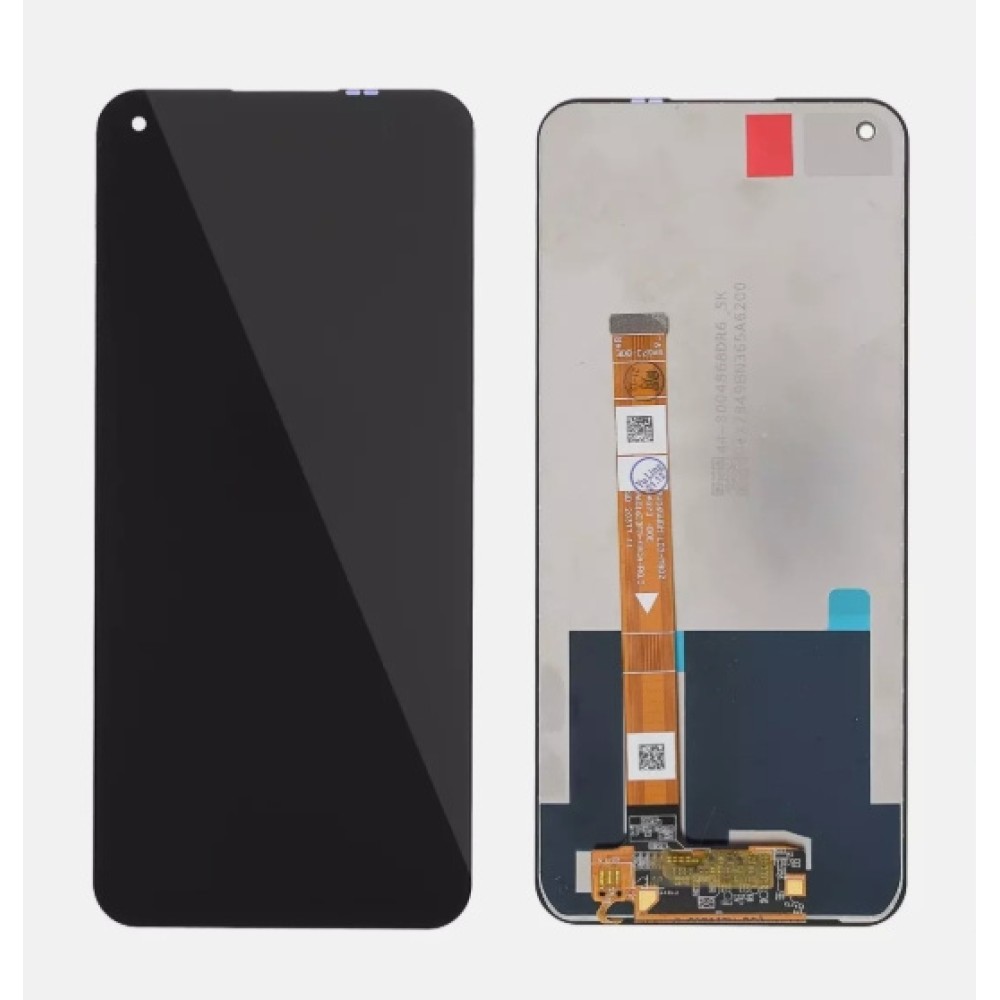
Fingerprint and face-unlock checks after swap
After any Infinix screen swap, the biometric subsystems must be tested and, where necessary, re-enrolled. Hot and Note devices use either an optical under-display fingerprint sensor or a side-mounted capacitive sensor, depending on the model code. Face-unlock implementations also vary by model.
The minimum post-swap verification steps are: (1) confirm the display shows no dead pixels, colour casts or brightness non-uniformity; (2) test touch response across the full active area, including edges and corners; (3) if the device has an under-display optical fingerprint sensor, enrol at least two fingers and verify unlock reliability in typical lighting; (4) if the device has a side-mounted sensor, verify enrol and unlock; (5) if face-unlock is supported, re-capture the face data and test unlock in the lighting conditions the owner normally encounters; (6) follow the device’s own service or user-guide steps for any calibration routine the manufacturer provides. Do not assume that biometric functions will return automatically — they depend on optical path alignment and secure-element enrolment that are disrupted by a display change.
Shops that also repair Honor devices will find a similar checklist on the Digi4u Honor hub. The principle is brand-agnostic: any display swap that alters the optical stack or the sensor mounting plane requires a full biometric re-verification. Skipping this step is the most common cause of comeback repairs on modern Android handsets.
Model ID traps across region firmware labels
Marketing names are reused across hardware revisions and regions; the model code is the only stable identifier. The safest approach is to record the full model code (as printed on the box, the SIM tray or the About phone screen) and the firmware build number before placing an order.
The Digi4u Xiaomi Redmi screen parts guide illustrates the same practical point for Redmi devices: marketing names are reused, so the shop should match the panel to the model code on the handset, box or tray rather than to a short name alone. Keeping a spreadsheet of model-code-to-firmware mappings in the shop’s parts database prevents costly returns and rework.
UK dispatch and fragile LCD packing
Digi4u’s delivery policy applies to goods Digi4u sends from Cardiff to the shop, not to the shop’s own shipment of a finished repair to its customer. Same-day dispatch is for orders placed before 4:00 PM Monday to Friday; later Friday and weekend orders leave the next working day. Standalone lithium batteries and power banks go by DPD only; mixed baskets that include those items ship entirely by DPD. A screen, tool or dock without a standalone lithium cell usually travels on the standard non-battery method. A device with a fitted internal battery is not a standalone lithium item under that policy. Check current methods on the delivery policy page.
Fragile LCDs require packaging that survives transit and should be inspected on arrival. The shop’s receiving process should include a visual inspection of the outer carton for crush damage before the box is opened. If the carton shows impact marks, the contents should be photographed before removal and the carrier notified within the claim window. Internally, panels should be secured in anti-static bags with sufficient cushioning to prevent flex during transit.
When the shop ships a repaired device to its own customer, the shop must follow the courier and dangerous-goods rules that apply to that shipment. The Health and Safety Executive Managing risks and risk assessment at work overview states that employers must identify hazards, decide likelihood and severity, and take action to eliminate or control the risk. Heavy or awkward cartons should be lifted using mechanical aids or team lifts to avoid injury. A packing station at waist height with a roller conveyor reduces strain when processing multiple outgoing repairs per day. For consumer-facing obligations, see GOV.UK consumer rights and GOV.UK accepting returns and giving refunds. For product safety standards, the BSI standards catalogue is a starting reference.
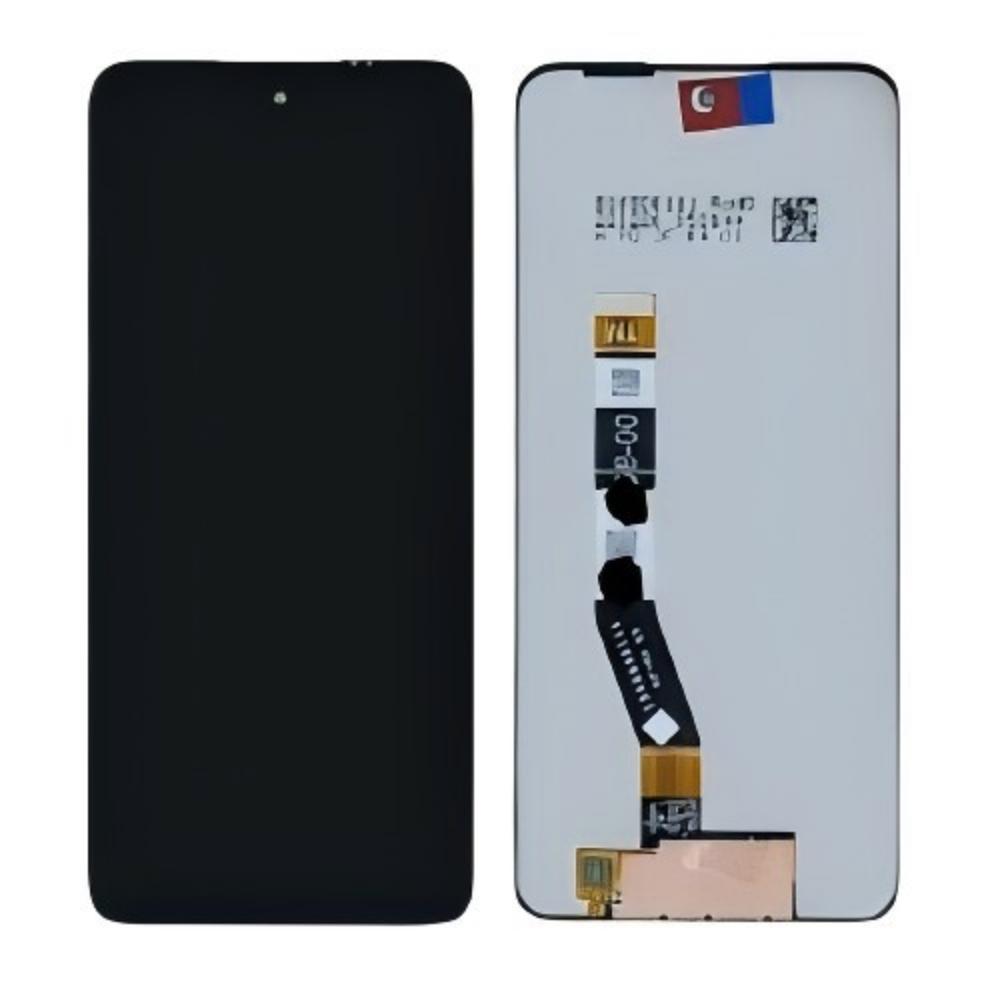
Bundle with Tecno for Transsion coverage
Infinix and Tecno are sister Transsion brands. Bundling the two brands in a single purchase order is a commercial idea only; it can simplify logistics because a combined order may meet a supplier’s free-delivery threshold and reduces the number of goods-in inspections. However, every model code must be treated as its own SKU; do not assume shared frames, chassis codes or panel part numbers between the brands. Shops should confirm current Infinix and Tecno availability on enquiry, as catalogue listings change with each replenishment cycle. For official Tecno support information, see Tecno Mobile support.
Failed panels and other shop waste should leave the shop through the usual licensed route. See GOV.UK guidance on disposing of business and commercial waste for business and commercial waste duties rather than inventing a Digi4u take-back scheme that is not on the live site.
Conclusion
Stocking Infinix Hot and Note screen parts profitably depends on three habits: recording the exact model code and firmware build for every device that enters the shop, staging the correct frame format and consumable kit for each code, and verifying biometric function after every swap. Shops that treat the parts database as a living document — updated from ticket data, not from marketing names — avoid the dead stock and comeback repairs that erode margin on low-ASP work.
FAQ
How do I identify the correct Infinix model code before ordering a screen?
Read the model code from the device’s About phone screen, the SIM tray label, or the original box. Do not rely on the marketing name alone — Hot 10, Note 10 and similar names cover multiple hardware revisions with different panel formats. Record the full alphanumeric code and the firmware build number, then match that code to your parts database or supplier listing.
Should I stock with-frame or bare LCD panels for Infinix Hot and Note repairs?
Choose per model code based on your measured bench time and consumable cost. With-frame kits eliminate bezel alignment but cost more per unit. Bare panels are cheaper but require UV adhesive, die-cut mesh, alignment pins and the technician time to bond cleanly. Calculate your effective hourly rate against the actual time each format takes on each code; the lower total cost per repair determines the correct choice for your shop.
What post-swap checks are mandatory for Infinix devices with under-display fingerprint sensors?
After the display is fitted, test full touch response, then enrol at least two fingers and verify unlock in typical lighting. Re-enrol face-unlock if the device supports it. Follow any manufacturer calibration routine listed in the service guide. Do not assume biometrics will work without re-enrolment — the optical path and secure-element templates are disrupted by the panel change.
Why does the same Infinix marketing name sometimes need different panels in the UK versus other regions?
Marketing names are reused across hardware revisions and regions. A panel that fits one revision may not fit another, even if the marketing name is identical. Always order against the exact model code and firmware build from the device in hand, and confirm the panel compatibility with your supplier before purchasing.
How should I pack a repaired Infinix handset for return to the customer?
Use a sturdy carton with anti-static foam inserts that immobilise the device. Label the box “fragile — glass” on multiple faces. The shop must follow the courier and dangerous-goods rules that apply to its own shipment; Digi4u’s delivery policy covers Cardiff-to-shop dispatch only. Check the carrier’s requirements for lithium-ion devices before booking the collection.