


iPhone Charging Port Replacement: What the Job Really Costs
Need this part? We stock tested replacement parts with same-day UK dispatch and a 12-month warranty.
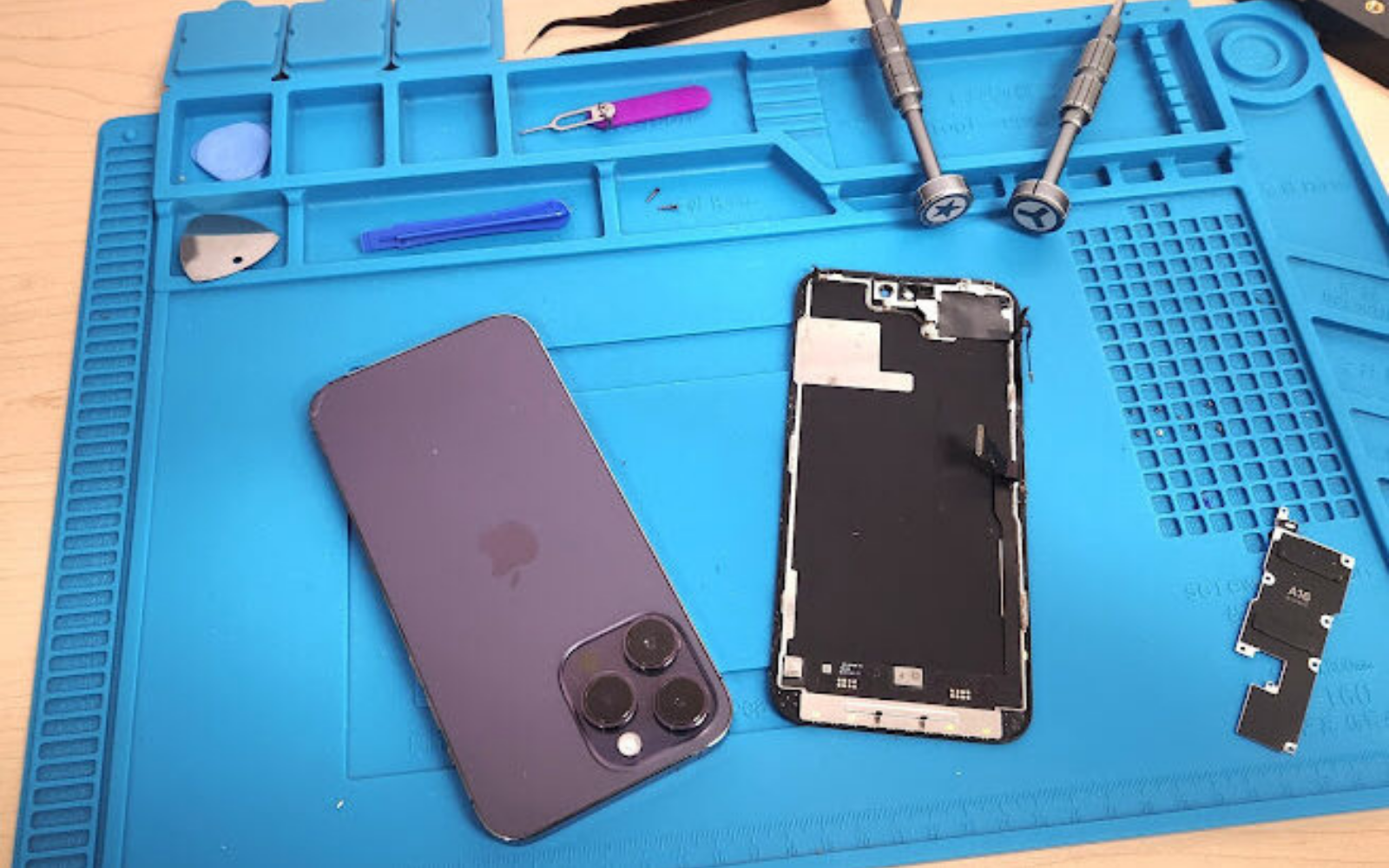
Understanding the true cost of an iPhone charging port replacement in the UK starts with a proper diagnosis, because the part itself is inexpensive while labour, adhesive, testing and warranty risk drive the final quote. Apple’s official repair page does not publish a standalone port price, so every shop must build its own estimate.
Last updated:
How much does an iPhone charging port replacement cost in the UK?
There is no single figure that applies to every model or every workshop. The final quote reflects the time needed to reach the connector, the complexity of the flex assembly, whether the device has already been cleared of debris or cable faults, and the level of testing and warranty the shop includes. Apple’s UK “Apple Service and Repair for iPhone” page (support.apple.com/en-gb/iphone/repair) describes how to start a service request but does not list a standalone charging‑port price, so any published range is a shop‑specific estimate rather than an official figure.
Quote only after you have tested the cable, charger and port
The most common cause of a charging complaint is a faulty cable or power adapter, not the port itself. Apple’s support article 108805 (support.apple.com/en-gb/108805) recommends a known‑good cable and power source, a restart, inspection for damage, firm connections, debris removal, a 30‑minute charge test and a force restart before arranging service. Following that sequence at the counter — changing one variable at a time — eliminates the majority of unnecessary port replacements and protects the shop from costly returns.
If the fault follows the cable, the repair is a cable sale; if it stays with the handset, the diagnosis moves to the port. A quick visual inspection under magnification, followed by a clean with a non‑metal tool and no lateral pressure, often resolves a blocked cavity without any parts change.
Why quotes differ: diagnosis, access path and risk
Labour varies far more than the component price. On some models the port sits on a relatively accessible flex and the labour is shorter. On others the same job takes longer because more of the phone has to be opened to reach the assembly. Confirm the access path on the handset in front of you before you quote, rather than assuming a flat time for every model.
Diagnosis time is another variable. A thorough charging‑path test — cable, charger, port, board — takes longer than a visual glance but prevents the most expensive mistake: replacing a part that was never faulty. Liquid damage adds a further risk layer; corrosion around the connector can mimic a flex fault while the real issue lies on the logic board. The assessment must be completed before any price is communicated.
Testing and warranty also shape the quote. A port that charges but fails to carry data, or that only fast‑charges on certain adapters, must be identified before the device is sealed. Including a full charge‑discharge cycle on the customer’s own charger, fresh adhesive, a gasket and a clear warranty statement adds time but reduces the likelihood of a second visit.
Lightning vs USB‑C labour traps
The shift from Lightning to USB‑C on iPhone 15 and later changes the physical fault pattern and the disassembly route. Lightning ports suffer from contaminated pins and a worn cavity; USB‑C ports have a shallower cavity and an exposed central tongue that bends or cracks far more easily. Cleaning habits must adapt: a USB‑C port should be inspected under magnification and cleaned with a plastic tool only, and a bent tongue is quoted as an assembly replacement rather than a debris removal.
The following table summarises the key estimator considerations for each connector family.
| Aspect | Lightning (pre‑iPhone 15) | USB‑C (iPhone 15 and later) |
|---|---|---|
| Access path | Often a dock‑flex job after the display is lifted; confirm the path on the specific model before quoting | Usually reached after the display is lifted; whether the battery or other assemblies must be moved varies by model |
| Connector style | Recessed pins, deeper cavity | Shallow cavity, exposed central tongue |
| Debris sensitivity | Lint compacts over time; cleaning often restores contact | Compacted lint blocks contact sooner; tongue damage mimics debris |
| Data vs charge testing | Confirm charge and data/accessory functions before handover | Charge may work while data fails; test both before sealing |
| Customer cable compatibility | Wide range of Lightning cables; many non‑certified | USB‑C cables vary in Power Delivery support; test with customer’s own cable |
| Time to allow | Allow time for diagnosis, fitting and a charge test — do not guess from the model name alone | Allow time for the actual disassembly path and a charge and data test on the customer’s cable |
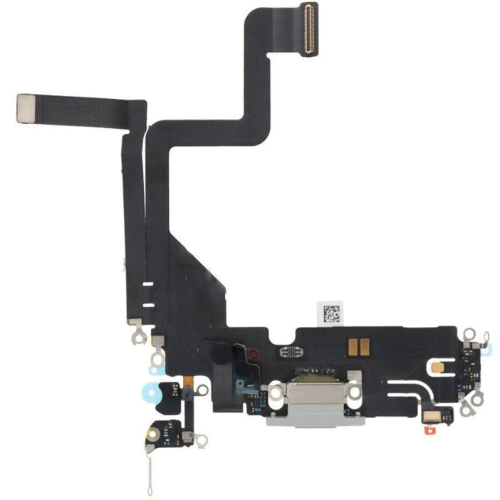
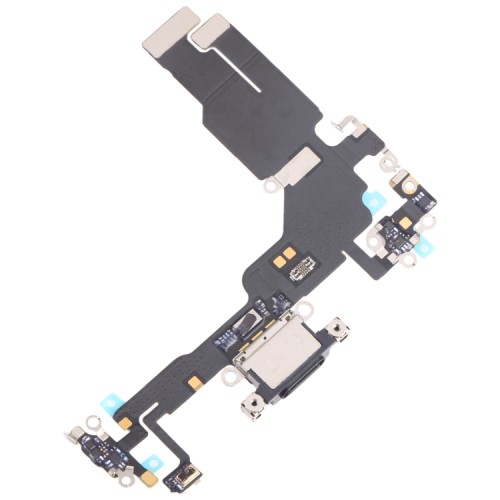
Trade listings for Lightning and USB‑C iPhone charging‑port flexes are covered in the iPhone charging port flex parts UK guide and in Digi4u’s iPhone charging port category. For later USB‑C models such as the iPhone 16, the parts catalogue is covered in a dedicated article (iPhone 16 charging‑port flex parts UK). The iPhone 15 Pro USB‑C no‑charge diagnosis is documented separately (why your iPhone 15 Pro won’t charge through USB‑C).
When the repair is worth it — and when to decline
A port replacement is usually economical because the component is a small fraction of the handset’s value. The calculation changes when the device also needs a screen or battery, or when liquid damage has reached the logic board; in those cases the port becomes one line in a larger repair and the combined cost may approach the device’s residual value. An honest conversation about the overall condition protects the shop’s reputation and helps the customer make an informed decision.
If the charging circuit on the board has failed, the symptoms mimic a port fault until the new flex is fitted and the problem persists. Those cases belong with a board‑level specialist, and declining the repair openly is cheaper than absorbing the cost of a job that was never going to succeed. The same principle applies to bent chassis or extensive corrosion — explain what was found, outline the options, and retain the customer’s trust even when the shop does not take the work.
What the customer should be told before you start
Transparency begins with confirming the fault. A customer who watched their own cable fail a test understands why a port replacement is necessary; a customer who was simply told the port needs changing may suspect the fault was invented. State clearly what the quote includes: diagnosis, the flex assembly, fresh adhesive and gasket, a full charge‑discharge test on the customer’s own charger, and the warranty period. State the warranty period clearly and match the customer‑facing cover to the warranty the shop receives from its supplier.
Remind the customer that a worn or damaged cable often contributes to the original connector damage, and that replacing the cable now helps prevent a repeat repair.
Frequently asked questions
How much does iPhone charging port replacement cost in the UK?
The cost depends on the diagnosis, the model’s access path, and what the quote includes — such as testing, adhesive, gasket and warranty. Apple does not publish a standalone official charging‑port price on its UK repair page, so each workshop builds its own estimate after a proper assessment.
How can I tell if the charging port is actually broken?
Test with a cable and charger you know are good, changing one item at a time. If the fault follows the cable it is the cable; if it stays with the device, the port is the next suspect. Cleaning compacted debris out of the cavity comes before any quote.
Is it worth replacing an iPhone charging port?
Yes on most devices, because the port is an inexpensive part relative to the handset. It stops being straightforward when the phone also needs a screen or battery, or when liquid damage has reached the board, in which case the port is one line in a larger repair.
Why do Lightning and USB‑C iPhone port jobs differ?
Lightning ports have deeper cavities and recessed pins, so contamination is the usual fault. USB‑C ports have a shallow cavity and an exposed central tongue that bends or cracks easily, requiring different cleaning tools, a different testing focus on data versus charge, and often more disassembly time.
Should a shop quote a port replacement before testing the cable and charger?
No. A proper diagnosis — cable, charger, port, board — must come first. Quoting from the customer’s description alone is guessing, and the guess is usually expensive for either the shop or the customer.