


Games Console Parts: What UK Repair Shops Should Stock and Why
Need this part? We stock tested replacement parts with same-day UK dispatch and a 12-month warranty.
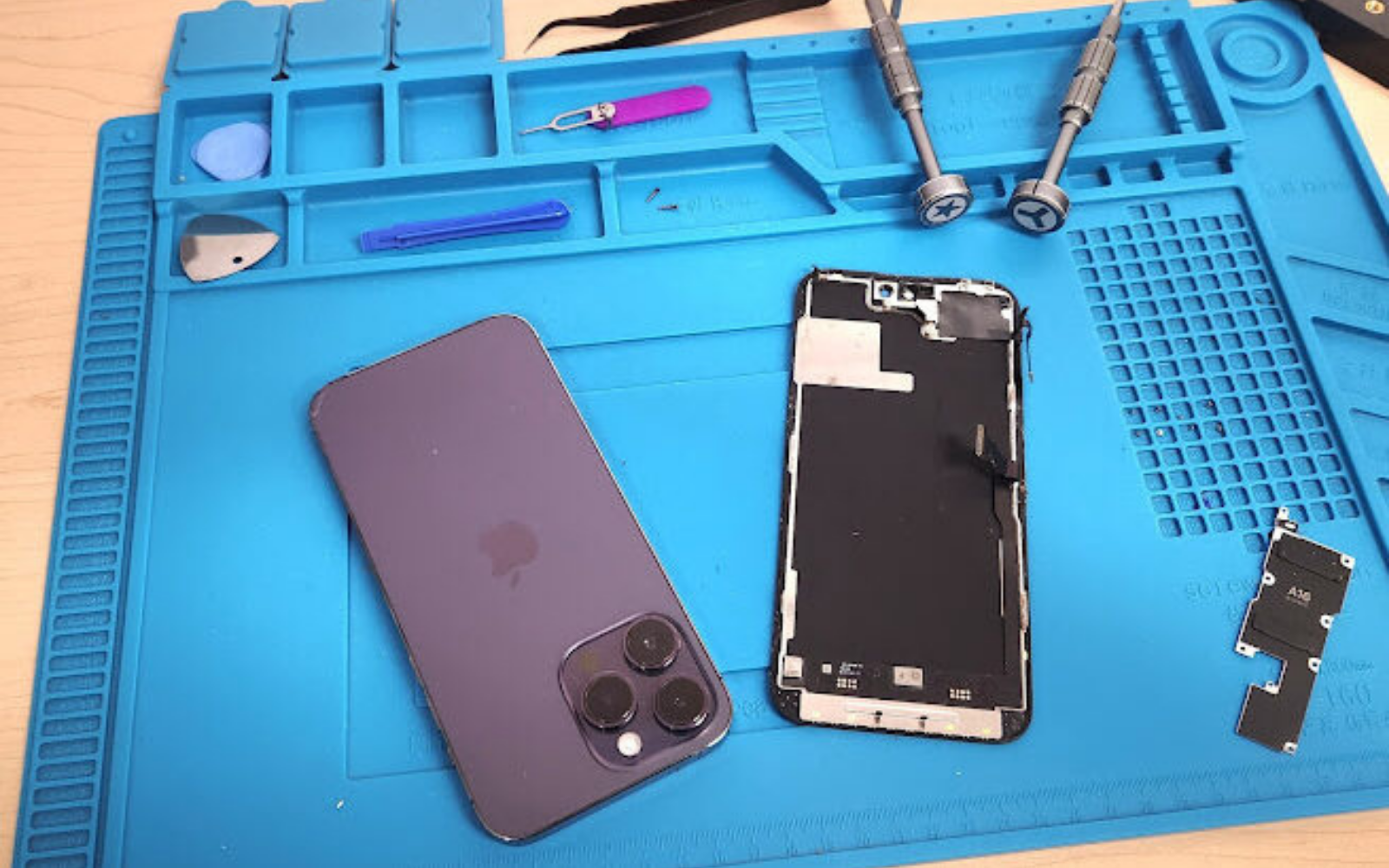
Console repair arrives at phone shops from two directions. The customer with a drifting controller is already standing at the counter, and the console with a failed HDMI port is the same customer’s second device. The parts demand is real, and it is served by distributors rather than by consumer retail.
What follows is which parts carry that demand, how console work differs from phone work, and what to hold first.
Why console repair fits a phone shop
Because the customer base and the bench skills overlap.
A phone repair shop already has the screwdrivers, the pry tools, the cleaning materials and the habit of working to tolerances measured in fractions of a millimetre. Console work uses the same skills at a larger scale, and the customers are the same people who bring in a cracked screen.
The differences are real but manageable. Consoles run on mains power, so safety practice matters more. Their failures are more often thermal than impact-related, which means cleaning and airflow become part of the repair. And they occupy more bench space, which changes how you schedule work.
Which console parts actually carry demand?
Controllers first, then ports, then cooling and optical parts.
Controller stick drift is the most common console complaint, and the part that fixes it is inexpensive and well understood. HDMI port failure is the second, and it is the repair that persuades a shop to invest in proper soldering equipment. Fans, thermal paste, power supplies and optical drives make up most of the rest.
For a shop deciding what to hold, the order follows the same logic as phone parts: stock what turns over frequently and fit at the counter, and order what is expensive or model-specific.
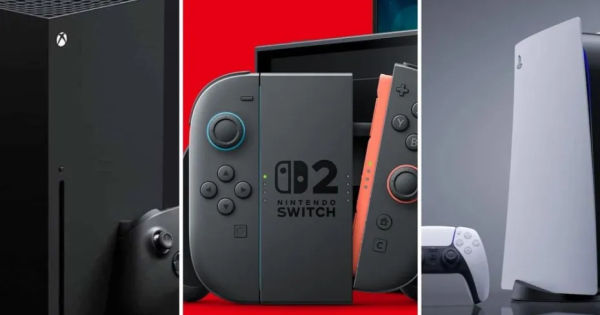
Which repairs should a shop take on first?
Controllers, because the risk is lowest and the volume is highest.
Controller work needs no mains-powered equipment beyond a soldering iron for some variants, the parts are inexpensive, and the failure mode is understood. It is the right entry point because a mistake costs a controller rather than a console.
HDMI port replacement is the natural second step. It needs a proper soldering setup, magnification and the discipline to work hot and fast without lifting pads. Shops that do phone board-level work already have most of that. Shops that do not should treat it as a new skill rather than an extension of screen replacement.
Console-level board repair is a different discipline again, and it should not be offered until the tooling and the experience are in place. Selling a repair you cannot complete costs more than turning it away.
| Repair | Equipment needed | Best starting point for |
|---|---|---|
| Controller stick and button faults | Basic tools, soldering iron on some variants | Every shop |
| HDMI port replacement | Soldering station, magnification, preheating | Shops already doing board work |
| Fan, thermal and cleaning service | Basic tools, thermal compound | Every shop, low risk |
| Optical drive replacement | Basic tools, model-specific part | Shops with console volume |
| Console board repair | Full board-level bench | Only with existing experience |
Why does the console revision matter when ordering?
Because both major manufacturers revise hardware under the same name.
A console model name covers several board revisions with different component layouts, different connectors and different part numbers. An HDMI port that fits one revision may not fit another, and the difference is not visible from the outside of the console.
Confirm the revision before ordering, the same way you would confirm a phone model code. The principle that applies to matching MacBook parts to a chassis applies equally here: the number identifies the part, and the name does not.
What makes console work different on the bench?
Mains power, thermal failures and physical size.
Console repairs involve equipment that runs from the mains and internal power supplies that hold charge, so the safety practice is closer to general electronics work than to phone repair. Anything that has been powered recently should be treated as live until it has been discharged and confirmed.
Thermal failure is the second difference. Many console faults are caused by heat and dust rather than by impact, which means the repair often includes cleaning and thermal management rather than a straight part swap. Doing the cleaning as part of the job rather than as an extra is what stops the same console coming back.
Size is the third. A console occupies the bench for the duration of the job, which affects how many you can take in at once. Shops that plan for that rather than discovering it do not end up with a shelf of half-finished consoles behind the counter.
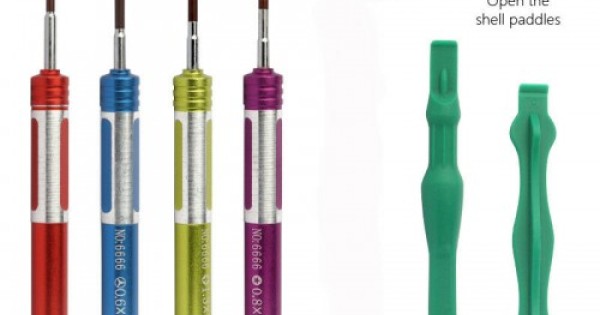
What should you stock first?
Controller parts and consumables, then ports per job.
Controller parts turn over, cost little and fix walk-in complaints, which makes them a sensible first position. Thermal compound and cleaning materials are consumables that get used across console and phone work alike. HDMI ports and optical drives are better ordered per job until you know which revisions come through your shop.
That order is the same logic that applies to screen selection, where the parts worth holding are the ones matched to the models you actually see. A shop that tracks its own repair mix will know within a couple of months whether console work is a steady line or an occasional favour.
What should you record on the job sheet?
The console revision, the fault and the parts fitted.
Record the exact model and revision, the reported fault, what you found inside, and the parts fitted with their references. Console disputes tend to be about whether the original fault caused later damage, and a photograph of the interior at intake settles that quickly on a device that is usually dusty.
For retail customers in the UK, the statutory rights you must honour sit on top of your own warranty and are set by the Consumer Rights Act 2015, while obligations around the safety of goods you place on the market sit with the Office for Product Safety and Standards. Where a console is returned to the manufacturer instead, Sony and Microsoft both publish their own service routes at PlayStation Support and Xbox Support.
Disposal of replaced electrical parts, and of any console that is beyond economic repair, is covered by the Waste Electrical and Electronic Equipment Regulations 2013, and where a device contains a battery, handling and disposal fall under the Health and Safety Executive.
How does console work affect your margins?
It adds a repair line that competitors often decline.
Console repair is less crowded than phone repair, because it needs equipment and skills that many counter shops do not have. That means less price competition on the labour and a customer base that is used to being told to buy a new console instead.
The parts side is where the margin is thinner, because console parts are lower volume and often model-specific. Treating the labour as the product and the part as a pass-through is a more honest way to price it than marking up an HDMI port heavily and losing the job on price. The approach used for scoring a batch of parts on the bench applies here too, because console parts vary between suppliers in the same way.
What should you tell the customer about console repair?
What causes the fault, and what the repair does and does not include.
Console faults are frequently caused by heat and dust rather than by a single failed component, which means the honest explanation covers maintenance as well as the part. A customer who understands that the fan and the vents were cleaned as part of the job is far less likely to return when the console runs warm again in a year.
It is also worth explaining what a repair cannot restore. A console with a history of overheating may have degraded thermally over time, and a repair that resolves the immediate fault does not undo that history. Saying so at intake sets a realistic expectation for the device’s remaining life.
Where the customer’s option is a manufacturer service, knowing the comparison helps. Sony and Microsoft both operate their own service routes, and a customer weighing an independent repair against a manufacturer one will make that comparison whether or not you raise it.
The final part of the conversation is the timescale. Console repairs involve cleaning, reassembly and thermal compound curing, and they occupy the bench while they are open. Quoting a realistic turnaround rather than a same-day promise is what keeps the schedule honest.
How do you decide whether console work is worth keeping?
By tracking it for a quarter rather than judging it on the first few jobs.
Console demand is lumpy. A shop may see three controllers in a week and nothing for a month, which makes it easy to over-invest in parts and tooling on the strength of a busy fortnight. Recording the jobs for a quarter shows whether the line is steady or occasional, and that answer determines how much bench equipment is justified.
What tips the decision is usually the second repair on the same customer’s account. A shop that fixes a drifting controller and is then asked about a console that will not display has a customer who has stopped shopping elsewhere, and that is worth more than the margin on either job individually.
FAQ
Where can I get console repair parts in the UK?
Console parts are stocked by general repair-parts distributors rather than by consumer retailers, because the demand comes from repair shops rather than from owners. The parts that move are HDMI ports, optical drives, fans, controllers and power supplies. Order against the exact console revision, because Sony and Microsoft both revision hardware within the same model name.
Is console repair worth adding to a phone shop?
It can be, because the two businesses share a customer base and the repair work uses similar bench skills. The differences are that console work involves more mains-powered equipment and more soldering, and that failures are often thermal rather than impact-related. Start with controller repairs, which need the least equipment and carry the lowest risk.
What console repairs should a shop take on first?
Controller stick drift and button faults are the best entry point, because the parts are inexpensive, the repair is well understood and the risk is low. HDMI port replacement is the next step and needs proper soldering equipment. Console-level board repair is a different discipline and should not be offered until the shop has the tooling and the experience.
How does console work differ from phone repair?
Three ways. Consoles run on mains power, so safety practice matters more. Their failures are frequently thermal, which means cleaning and airflow are often part of the repair rather than an extra. And they are larger, which changes how you store work in progress and how much bench space a job occupies.
Console repair is an adjacent line rather than a new business, and it rewards the same discipline as phone work: confirm the revision, start with the low-risk repair, and treat cleaning and thermal management as part of the job. The shops that make it work are the ones that add it gradually rather than offering board-level console repair on day one.
Adding console repairs? Digi4u supplies console ports, controllers, cooling parts and bench equipment to UK repair shops, with trade pricing, same-day dispatch and up to 12 months warranty. Tell us the console model and we will confirm stock.