


Car Charger Stock for UK Phone Shops: Dual-Port PD Options Worth Reordering
Need this part? We stock tested replacement parts with same-day UK dispatch and a 12-month warranty.
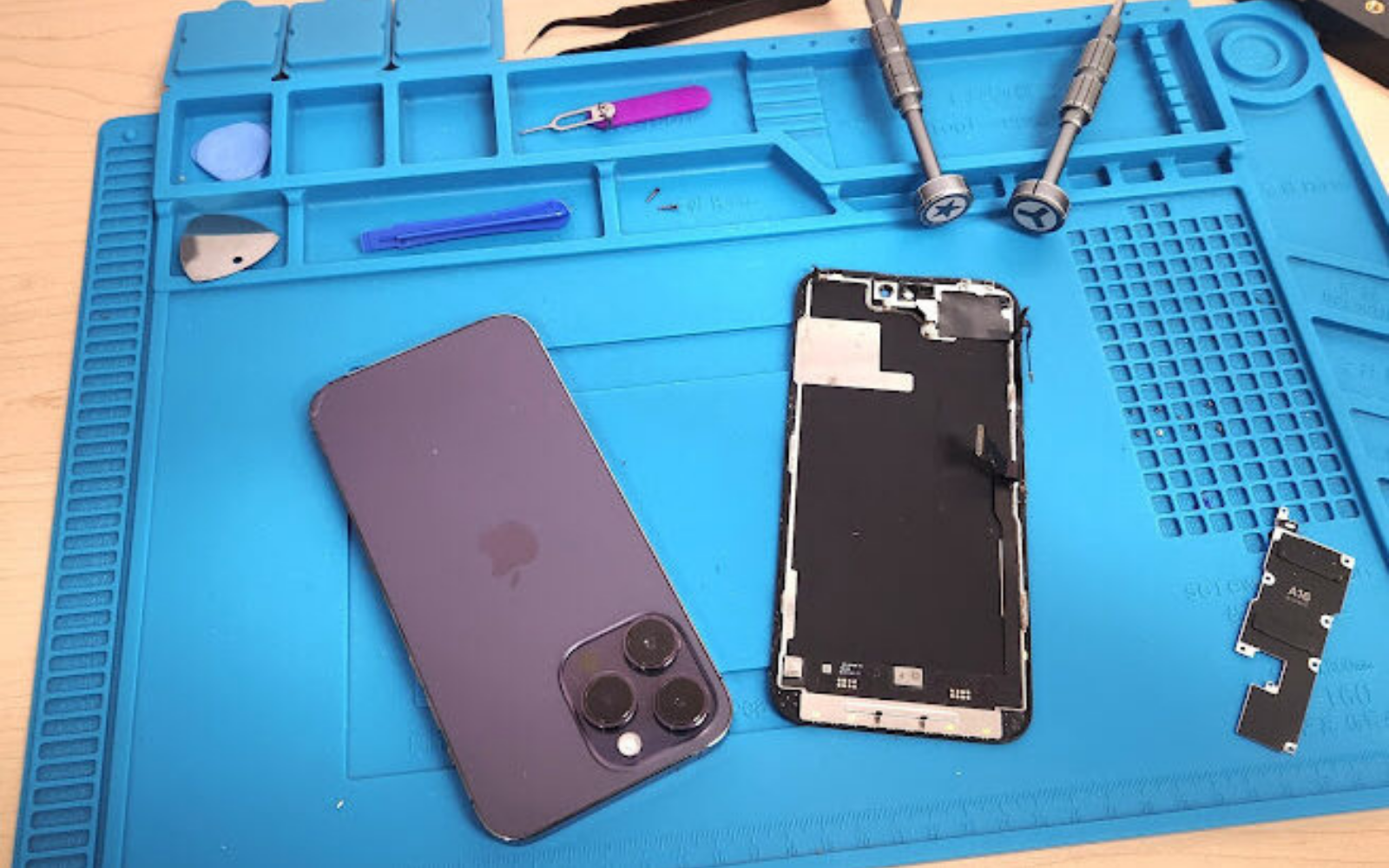
A well‑curated car charger wholesale UK phone shop range turns every repair visit into a potential accessory sale. When a customer waits for a screen replacement or battery swap, a visible 12‑volt charger bin invites an impulse purchase that carries a higher margin than most screen protectors. This guide outlines the dual‑port PD mix that deserves permanent shelf space, how to pair cables, what quality signals to trust, and a practical reorder rhythm that keeps stock fresh without over‑ordering.
Why car chargers convert walk‑in repair traffic
They turn a repair visit into an accessory sale.
A visible car‑charger bin catches customers waiting for a screen fix, adding a high‑margin impulse purchase.
Repair shops across the United Kingdom see a steady flow of drivers who need a quick charge while their device is being serviced. Placing a compact selection of 12‑volt chargers on the counter or near the checkout creates a natural cross‑sell moment. The buyer already trusts the shop for a technical repair; the same trust transfers to a charger that promises safe, fast power for the journey home. Unlike wall‑plug GaN units, a car charger is a low‑cost, high‑turnover item that fits in a small display tray. A focused range — typically one compact model and two dual‑port PD units such as the live XO CC56 and Joyroom JR-CL05 examples in this guide — is easier to keep on the counter than a wide wall of lookalike chargers. The key is visibility: a tidy row of units, each labelled with the wattage and port mix shown on the live listing, lets the customer see the option while the technician finishes the repair. For more on the product family, see the car‑charger hub.
Single versus dual‑port PD mix
Dual‑port PD covers more devices per unit.
A dual‑port PD charger serves both a phone and a tablet simultaneously, reducing the number of SKUs a shop must keep.
Single‑port QC chargers still have a place for budget‑conscious drivers who only need a quick top‑up for a handset. However, the market has shifted: most new phones and many tablets now negotiate Power Delivery at 18 W, 30 W or higher. A dual‑port PD unit that offers 30 W on the USB‑C port and 12 W on the USB‑A port can charge a modern iPhone and an iPad together, or two Android handsets at near‑full speed. Carrying two dual‑port models — one at 30 W total (e.g. the XO CC56) and one at 72 W total with two PD ports (e.g. the Joyroom JR‑CL05) — covers the majority of customer scenarios while keeping the SKU count low. The table below summarises the trade‑offs.
| Feature | Single‑port QC | Dual‑port PD (30 W) | Dual‑port PD (72 W) |
|---|---|---|---|
| Ports | 1 × USB‑A | 1 × USB‑A + 1 × USB‑C | 2 × USB‑C + 3 × USB‑A |
| Max output | 18 W | 30 W (PD + QC) | 72 W (2 × PD + 3 × QC) |
| Typical use | Phone only | Phone + tablet | Multiple devices, fast‑charge laptops |
| Stock priority | Low | High | Medium |
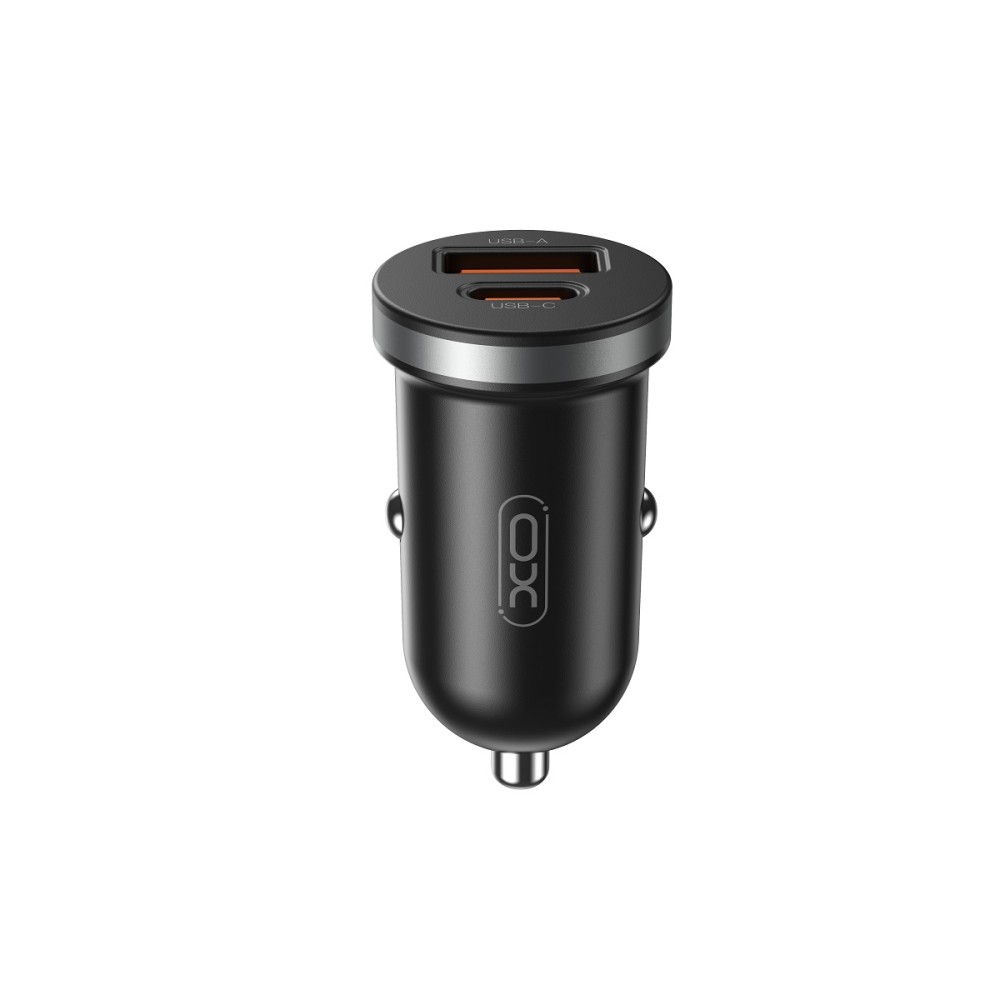
Shops should verify the live specifications on each product page before committing to a reorder, as manufacturers occasionally adjust port configurations or wattage ratings.
Cable pairing recommendations
Match cable rating to the charger’s highest PD port.
Pair the cable to the port on the charger and to the rating shown on the live cable listing.
A charger is only as good as the cable that connects it to the device. Stock cables whose rating is at least as high as the port you are selling them with, and keep both USB-C and USB-A options if the live charger has both ports. Browse the live cable hub on Digi4u for current listings rather than inventing a 60W or 100W SKU here. A short test cable on the counter lets the shop demonstrate the pair before the bag leaves. Do not treat a logo on the packet as a shop-verified test of the charger.
Quality signals without hype claims
Use only the wattage, port mix and wording on the live listing.
Do not invent USB-IF, CE or UKCA claims, and do not treat a mark on a packet as a shop-verified safety or interoperability test.
When evaluating a new car-charger SKU, read the current product page first. Confirm that the unit is a 12-volt car charger and not a mis-slugged wall plug, then check the port mix and any simultaneous-output wording. The live XO CC56 and Joyroom JR-CL05 listings used in this guide are examples only; copy the wattage from those pages on the day you reorder, rather than memorising a figure from an old ticket. If the printed output on the box and the live listing disagree, wait until you have checked the current page. Prefer a clear per-port breakdown over a total wattage with no split, and do not promise laptop charging unless that exact use is stated on the listing.
Display and theft-prevention tips on the counter
Treat compact car chargers as a high-pocket item: keep only a display sample on the counter, and store the boxed sale stock in a supervised bin or cabinet.
Ticket the sample with the live SKU and wattage so a missing unit is noticed. Some shops hang empty packaging in view and keep the boxed stock behind the counter. Do not invent a named lock or alarm SKU.
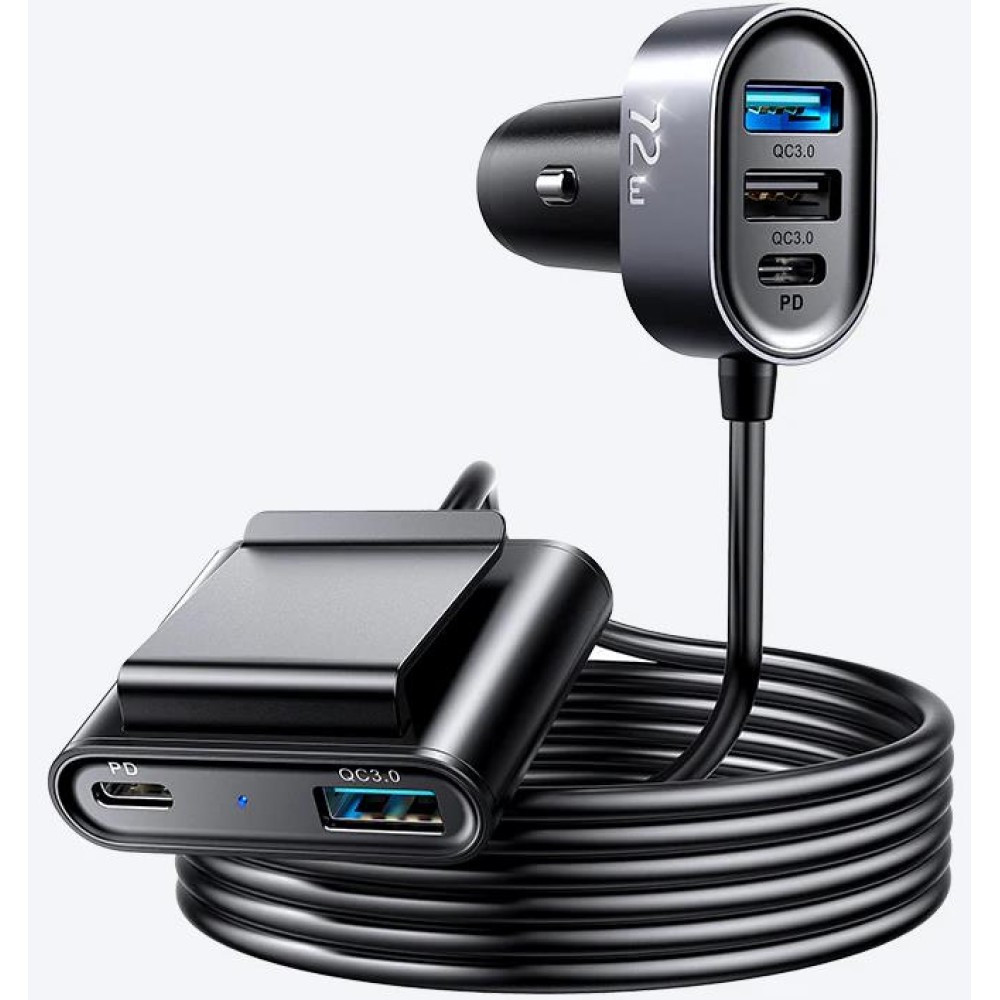
The live Joyroom JR-CL05 listing above is a 12-volt multi-port car charger. Confirm the current wattage and port mix on the product page before a reorder, and do not treat a lookalike wall-plug slug as the same unit.
Counter sample versus sale stock
Keep only one display unit on the counter and store the boxed sale stock in a supervised drawer or cabinet. The sample should be ticketed with the live SKU and wattage so staff can spot a missing unit at a glance. When a customer asks to buy, hand them a sealed box from the back rather than the display model; this prevents the display from being swapped for a cheaper wall‑plug unit and eliminates the risk of a pocketed charger leaving the shop unpaid. Record the sample on the same reorder sheet you use for the live XO CC56 and Joyroom JR‑CL05 listings so a theft does not silently empty the bin.
Explaining simultaneous dual‑port output at the till
When a shopper asks whether both ports can deliver the headline wattage at once, read the live listing’s simultaneous‑output wording and quote it verbatim. Many dual‑port PD chargers split the total budget — for example, a 30 W unit may give 18 W on the USB‑C port and 12 W on the USB‑A port when both are active. Make that clear before the sale so the customer does not return a charger that “doesn’t fast‑charge” their tablet while a phone is also plugged in. A short printed note on the spec card (see the display section) saves staff from repeating the explanation.
Avoiding wall‑plug SKUs masquerading as car chargers
Before adding any new SKU, open the live product page and confirm three things: the heading says “car charger” or “12 V”, the connector shown is a cigarette‑lighter plug, and the specification table lists a 12‑volt input range. The mis‑slugged Joyroom JR‑TCF21 wall plug appears in search results with a car‑charger‑style slug; it is a UK mains adapter and will not work in a vehicle. Flag any such listing in your internal catalogue and do not order it for the 12‑volt bin.
Writing the reorder sheet with the exact live permalink
Copy the full product URL — https://www.digi4u.co.uk/xo-car-charger-30w-dual-port-a-c-charger-black or https://www.digi4u.co.uk/joyroom-jr-cl05-72w-5-port-car-charger-2pd-3qc-black — onto the shop’s order sheet rather than relying on a shortened or guessed slug. A typo in the slug can pull a different product (often a wall plug) and the mistake only surfaces when the parcel arrives. Paste the URL into the supplier portal or email it to the account manager; this guarantees the exact live listing is fulfilled.
When to use this guide versus the consumer and GaN posts
This wholesale guide focuses on SKU selection, counter logistics and reorder discipline for a repair‑shop environment. The consumer‑journey post choosing a car charger for two phones and a longer journey addresses end‑user buying criteria such as cable length and brand preference. The GaN wall‑charger guide GaN USB‑C charger stock article covers desktop adapters that plug into 230 V mains and often support 65 W‑100 W single‑port output for laptops. Keep the three resources on separate bookmarks so staff can pull the right one for the question at hand.
Reorder cadence
Review often enough that an empty hook is noticed before a weekend rush, using your own ticket data rather than an invented weekly or monthly rule.
Reorder the exact live SKU, such as the XO CC56 or Joyroom JR-CL05 in this guide, instead of a similar-looking wall charger. Watch the live car-charger hub for current wording and port mix, because a mis-labelled slug can hide a UK wall plug.
Same-day dispatch applies only to items actually ordered from the live catalogue, under the current delivery policy. Prefer that page for cut-offs, couriers and free-shipping thresholds rather than memorising every cell.
FAQ
What wattage should a dual‑port PD car charger provide for modern phones and tablets?
There is no single wattage that covers every phone and tablet. Read the live listing for the unit you will stock, including the port mix and any simultaneous-output wording, then explain that both ports may not deliver the headline figure at once. This guide uses a live XO CC56 30W A and C car charger and a live Joyroom JR-CL05 72W five-port unit as examples. Confirm those figures on the current product page before a reorder, and do not treat a wall-plug charger as a 12-volt car unit.
How can a shop ensure the cables it sells match the charger’s capabilities?
Stock cables whose rating is at least as high as the port you are selling them with, and say so at the counter so a customer does not use a thin legacy cable and blame the charger. Link the live cable hub for current listings rather than inventing a 60W or 240W SKU in this article. A dual-port car charger also needs a cable that fits the port actually on the unit, USB-C or USB-A. Keep a short test cable on the counter so the shop can demonstrate the pair before the bag leaves.
What security measures reduce theft of small car chargers on the counter?
Treat compact car chargers as a high-pocket item: keep only a display sample on the counter, store the sale stock in a supervised bin or cabinet, and ticket the sample so a missing unit is noticed. Do not invent a named lock or alarm SKU. Some shops keep the boxed stock behind the counter and only hang empty packaging in view. Record the display sample on the same reorder sheet as the live XO and Joyroom listings so a theft does not silently empty the bin.
How often should a repair shop review its car‑charger stock levels?
Review often enough that a empty hook is noticed before a weekend rush, using your own ticket data rather than an invented weekly or monthly rule. Reorder the exact live SKU, such as the XO CC56 or Joyroom JR-CL05 in this guide, instead of a similar-looking wall charger. Watch the live car-charger hub for current wording and port mix, because a mis-labelled slug can hide a UK wall plug. Same-day dispatch applies only to items actually ordered from the live catalogue, under the current delivery policy.