


Phone Case and Protector Bundles for UK Repair Shops: Add-On Stock After Screen Jobs
Need this part? We stock tested replacement parts with same-day UK dispatch and a 12-month warranty.
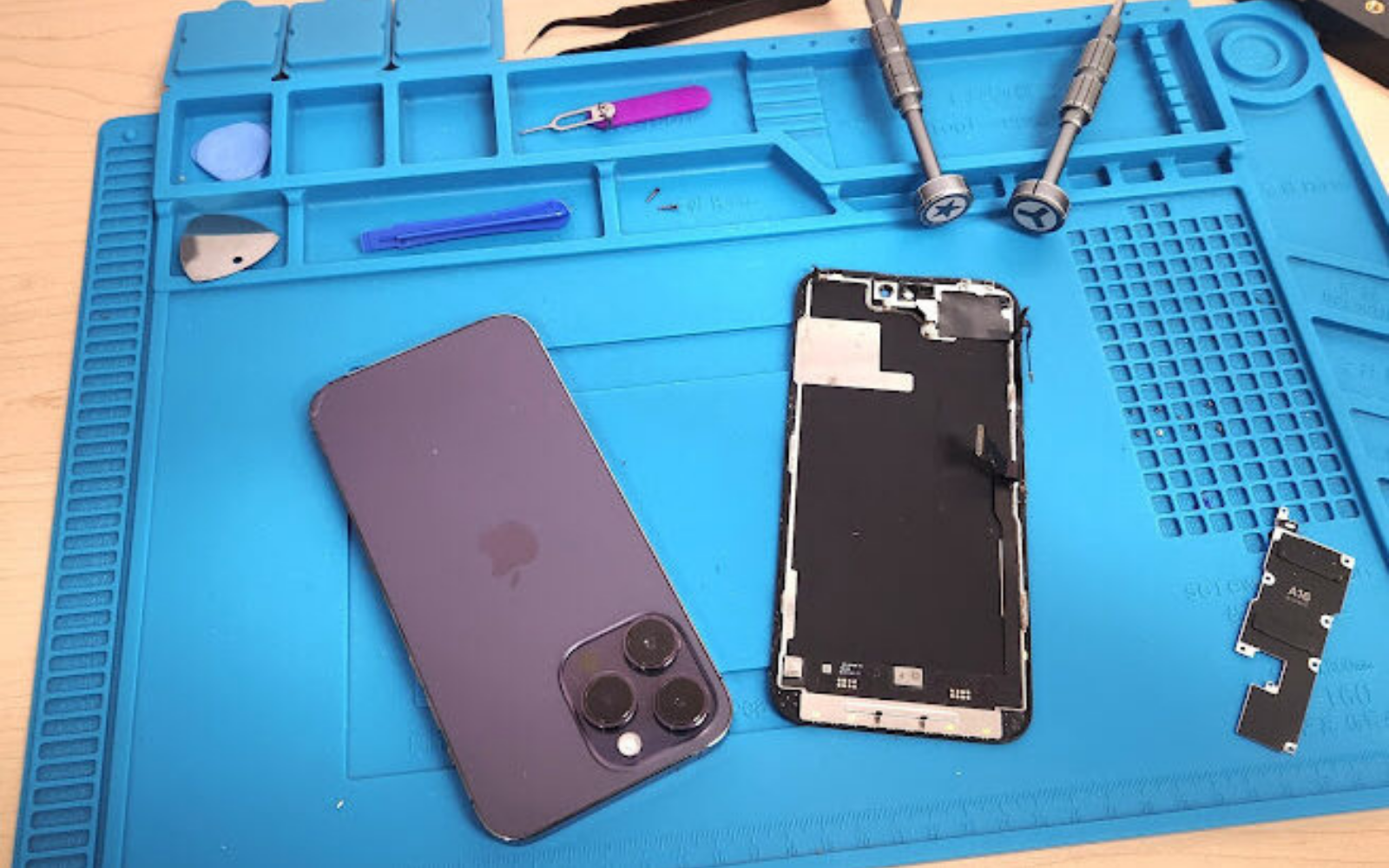
When your team finishes a screen replacement, offering a phone case wholesale UK repair shop bundle turns a single repair into a higher‑value transaction and reduces the likelihood of a bounce claim. A well‑curated add‑on selection matches the device model, the customer’s lifestyle, and the shop’s inventory rhythm, so the counter stays stocked without excess.
Why post-screen bundles reduce bounce claims
Bundles cut bounce claims by giving customers a ready‑to‑go protection set.
When a screen is replaced, offering a matching case and protector in one transaction reduces the chance the device returns with a new crack.
A bounce claim typically arises when a repaired phone suffers a fresh impact before the owner has time to buy a case. By presenting a case‑protector pair at the point of collection, the shop removes the friction of a separate purchase. The customer leaves with a fully protected device, and the shop records a higher average order value. This approach also simplifies warranty conversations: the shop can demonstrate that the repair was handed back with a compatible shield, which supports any later discussion about screen durability. For a starting point on consumer-rights expectations, see the GOV.UK guide on consumer protection rights.
Handling bounce claims at handback
Train the counter team to treat the bundle as part of the hand‑back script. After the screen test, place the case on the phone, snap the protector into position, and hand the device to the customer with a brief note: “Your new screen is fitted and protected; the case and glass are matched to this exact model.” This single step removes the “I’ll buy a case later” gap that fuels most return visits. If a customer declines, log the refusal in the job ticket so the shop can follow up with a text reminder after 48 hours — without creating a new sales pressure point.
Case types that fit repair traffic
Stock slim, rugged, and wallet cases to match the three main repair‑shop customer profiles.
Slim cases appeal to minimalists, rugged cases to tradespeople, and wallet cases to users who want card storage; each drives a different attach rate.
Repair shops see three recurring buyer personas. The “minimalist” prefers a thin TPU shell that adds negligible bulk; the “tradesperson” needs a reinforced polycarbonate frame with raised bezels; the “organiser” wants a folio or card‑holder style that doubles as a wallet. Keeping one representative SKU per persona per model keeps the display tidy and the reorder logic simple. The table below summarises the typical traffic match and suggested minimum stock depth.
| Case style | Typical buyer | Suggested min. units per model |
|---|---|---|
| Slim TPU | Minimalist / fashion‑aware | 3 |
| Rugged polycarbonate | Trades / outdoor | 2 |
| Wallet / folio | Organiser / commuter | 2 |
Adjust the numbers as your POS data reveals actual sell‑through. The goal is to avoid empty hooks while preventing dead stock.
SKU discipline: colours versus coverage
Limit colour variants to two per model and keep full‑coverage SKUs for every screen size.
Too many colours inflate inventory while missing a size creates lost sales; a tight SKU list balances cash flow and availability.
Shops often stock five or six colourways for a single case model, yet only two — typically black and a neutral tone — account for the majority of sales. Each additional colour adds a reorder line, a shelf slot, and a risk of obsolescence when a new handset launches. Conversely, failing to carry a case for a less common screen size (e.g., 12 mini) means a customer who just paid for a screen repair leaves without a protector. Adopt a rule: two core colours per model, plus a “seasonal” slot that rotates quarterly. Verify that every screen size you service has at least one compatible case in the system. The Digi4u accessories catalogue lets you filter by device to confirm coverage.
Model‑level fit checks: camera cut‑out and lens‑bump clearance
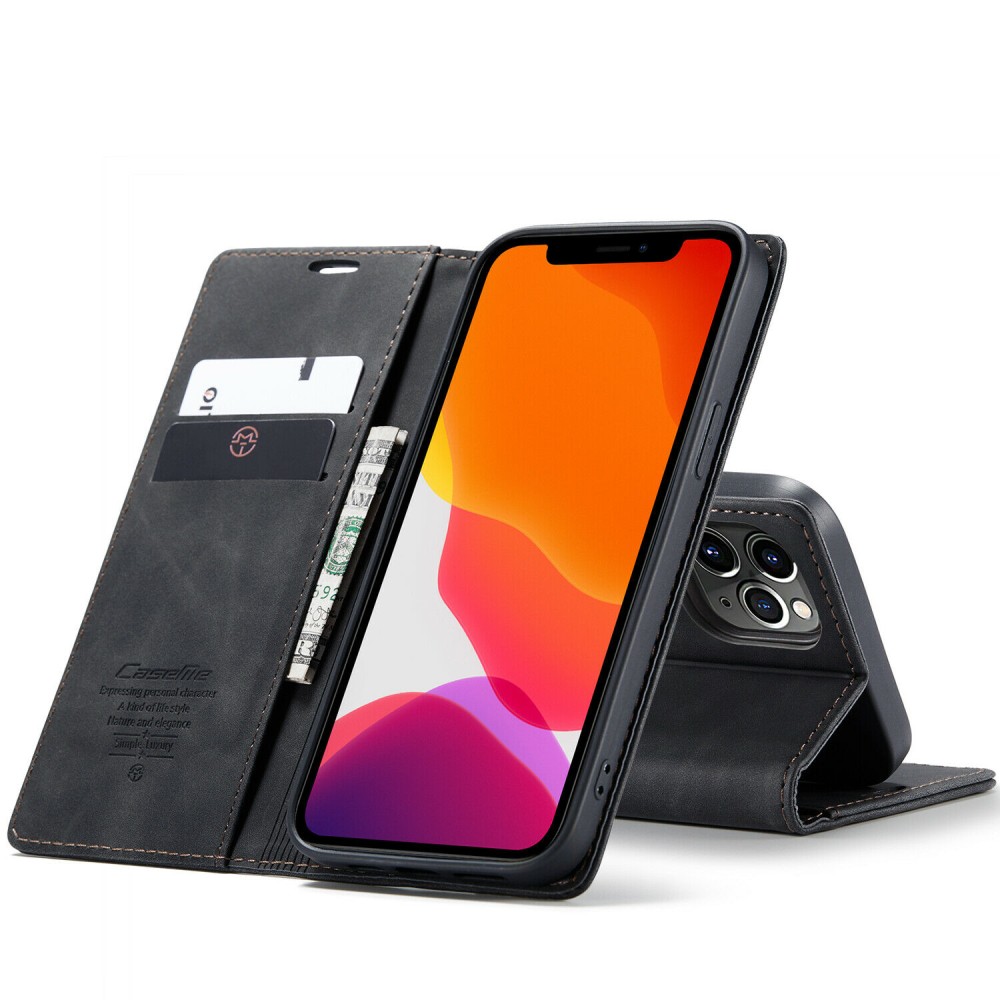
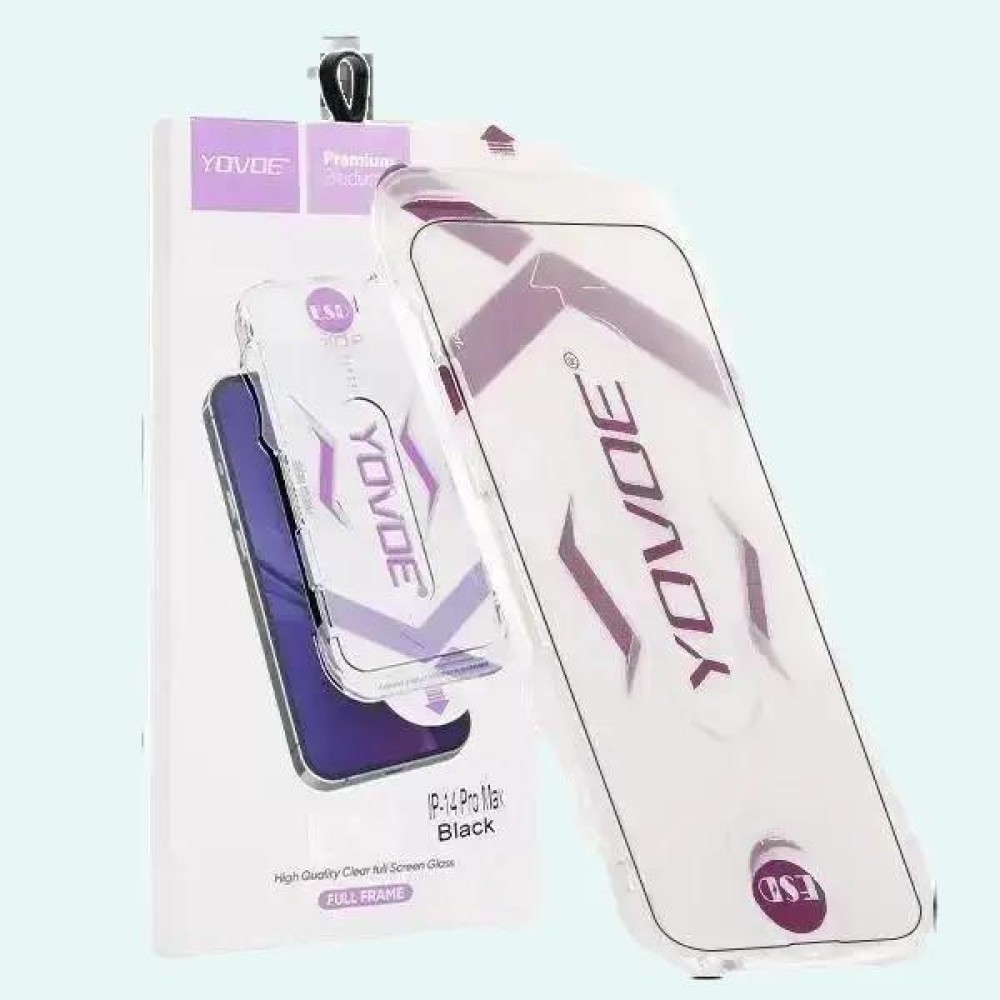
Before a bundle goes on the counter, open the case and protector listings side by side and confirm three physical match points: the overall device dimensions, the camera‑module cut‑out shape, and the clearance around any raised lens bump or camera‑control button. The iPhone 12 Pro Max, 12 Pro, 12, and 12 mini each have a distinct camera island; a case cut for the Pro Max will leave a gap on the smaller models, and a protector sized for the mini will sit proud on the larger screen. The live listings for the Caseme 013 magnetic card case and the YOVOE ESD clear full‑screen glass both state “iPhone 12 Pro Max” in the title — use that exact string as your verification key. If a listing does not mention a specific camera‑control cut‑out, do not assume it exists; note the omission on your shelf tag so staff can advise customers accurately.
Pairing cases with the correct protectors
Match each case to a protector cut for the exact model and screen curvature.
A case designed for a 12 Pro Max will not align with a 12 mini protector; verify model numbers on both listings before bundling.
Even when a case and a protector share a brand, the cut‑out geometry differs between the 12 Pro Max, 12 Pro, 12, and 12 mini. A mis‑matched protector can lift at the edges, trap dust, or interfere with the case’s magnetic latch. Before creating a bundle SKU in your POS, open the case listing and the protector listing side by side and confirm the model identifier matches exactly. For example, the Caseme 013 magnetic card case is listed for iPhone 12 Pro Max only; pair it with the YOVOE ESD clear full‑screen glass protector that carries the same model tag. This discipline prevents returns and protects your reputation for precision.
Ticketing bundles in the POS
Create a single composite line item — e.g., “iPhone 12 Pro Max Bundle: Caseme 013 + YOVOE Glass” — so the sale records one transaction, one VAT line, and one stock decrement for each component. Attach the bundle to the repair job number; this links the upsell to the original screen work and makes end‑of‑day reporting straightforward. If a customer later returns only the case, the POS can still show the protector remained on the device, simplifying any warranty discussion.
Honest materials language
Describe cases as TPU, polycarbonate, or leather without claiming military ratings.
Only use material terms that appear on the supplier listing; avoid “military‑grade” or “waterproof” unless the listing states them.
Marketing copy that stretches material claims can expose a shop to Trading Standards scrutiny. The Digi4u product pages list the construction — e.g., “TPU + PC hybrid” or “genuine leather” — and do not reference MIL‑STD‑810G or IP ratings. Replicate that language verbatim on your shelf tags and online listings. If a customer asks about drop protection, you can say “the manufacturer describes this as a TPU/Polycarbonate hybrid designed for everyday impacts” and point them to the listing for the exact wording. Do not invent durability, military or waterproof wording; if a claim is needed, use only the exact text on the live listing.
Reorder cadence for shop counters
Review sales weekly and reorder when a SKU falls below two weeks of average daily sales.
A simple weekly stock‑take prevents empty hooks and over‑ordering; set a minimum‑stock alert in your POS.
Most repair shops process 30–50 screen jobs per week. If a particular case‑protector bundle sells three units per day, a two‑week buffer equals 42 units. When the on‑hand count drops to that level, place a replenishment order. Digi4u’s delivery policy offers same‑day dispatch for orders before 4 PM Monday‑Friday, so a Thursday order arrives Friday, keeping the counter full for the weekend rush. Use the policy page to calculate lead times for battery‑containing bundles, which ship via DPD. Automating the alert in your inventory software removes the guesswork and frees staff for customer‑facing work.
Counter display and visual merchandising
Arrange bundles by device family on a single tiered stand: the case sits in a clear acrylic cradle, the protector rests flat behind it, and a small printed card shows the exact model name and the two‑colour options. Keep the stand at eye level near the hand‑back desk so the bundle is the first thing the customer sees after the repair demo. Rotate the seasonal colour every quarter and remove any SKU that has not moved in 60 days — this keeps the display fresh without relying on invented pack sizes or minimum order quantities.
How this differs from a tempered‑glass wholesale guide
This guide covers case‑protector bundles for post‑repair upsell; the glass guide focuses on bulk glass purchasing.
The tempered‑glass wholesale article details price tiers and shipping for glass only, while this piece addresses merchandising bundles that include a case.
The tempered‑glass wholesale guide is written for buyers who need pallet‑level pricing, freight options, and technical specs for glass alone. In contrast, this article assumes the shop already sources glass and now wants to attach a case at the point of sale. The two resources complement each other: use the glass guide to negotiate your panel supply, then apply the bundle logic here to convert each repair into a higher‑margin ticket. For shops that also service foldables, the folding‑phone hinge‑protection case guide covers a separate niche and should not be conflated with standard slab‑phone bundles.
Conclusion
A disciplined bundle programme turns every screen repair into a predictable upsell opportunity. By limiting colour depth, matching case and protector model numbers exactly, and describing materials only as the supplier does, your team reduces returns, keeps the counter tidy, and protects margins. Weekly reorder reviews aligned with Digi4u’s same‑day dispatch window keep stock flowing without excess. The result is a smoother hand‑over for the customer and a healthier average order value for the shop.
View current delivery terms for bundle orders
FAQ
What case and protector bundles work best after a screen replacement?
The best bundle is a case and a protector that both match the exact model just repaired, not a generic ’12-series’ pair. This guide uses a live iPhone 12 Pro Max Caseme case and a live iPhone 12 Pro Max full-screen glass as examples; those two will not fit a 12 or a 12 mini. Offer the pair at handback, record a refusal if the customer declines, and keep colour and model bins separate. Browse the live tempered-glass, screen-protector and accessories hubs for other models rather than inventing extra product URLs.
How many colour options should a shop keep per model?
Keep enough colours to cover what your counter actually sells, without opening a bin for every shade a supplier can list. One or two proven colours per exact model is a practical start; add a colour only when tickets show demand. The live Caseme 013 example in this article is a black iPhone 12 Pro Max case, not a full colour matrix. Confirm the colour and model on the live listing before a reorder, and do not assume a 12 Pro Max case covers a 12 or 12 mini.
Can I mix a case from one brand with a protector from another?
Yes, provided both are for the same exact model and the protector opening, camera cut-out and case lip do not fight each other. A Caseme 12 Pro Max case should be paired with a 12 Pro Max protector, such as the live YOVOE full-screen glass in this guide, not with a 12 mini glass. Test the fit on a dummy or the finished handset before handback. Do not claim military ratings or waterproofing unless that exact wording is on the live listing, and do not invent a universal fit across brands.
Where can I find the current delivery terms for battery‑containing bundles?
Use the live Digi4u delivery policy. Same-day dispatch applies before 4:00 PM Monday to Friday for items actually ordered from the catalogue; later or weekend orders go out the next working day. A basket that contains standalone lithium batteries or power banks ships by DPD only, and a mixed basket with those cells also goes by DPD. A case or glass-only order is not a lithium item. Prefer the policy page for current zone rates rather than memorising every cell.