


Ultrasonic Cleaner Size Guide for UK Phone Repair Shops: Tank Specs That Matter
Need this part? We stock tested replacement parts with same-day UK dispatch and a 12-month warranty.
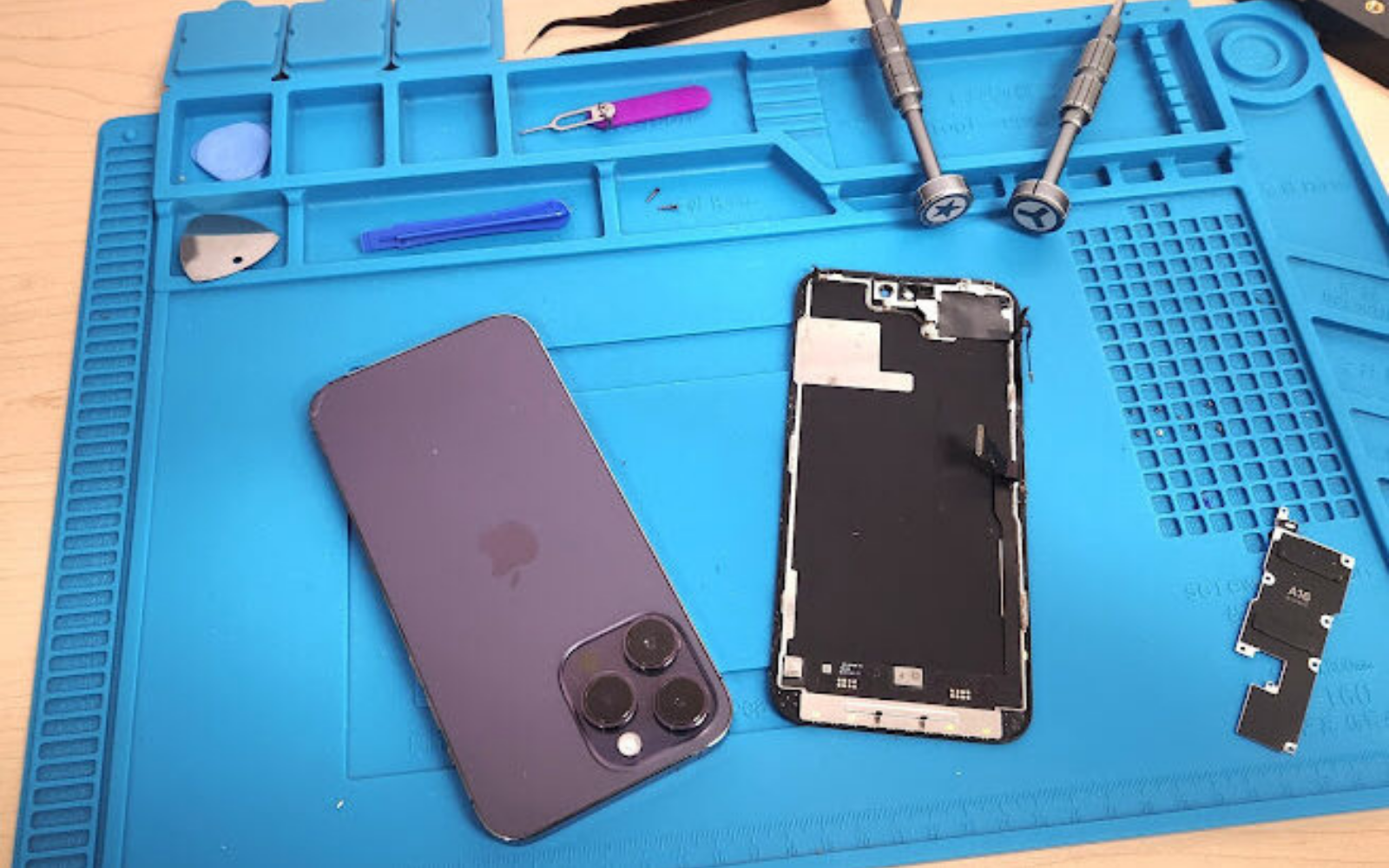
Choosing the right bath starts with a phone repair ultrasonic cleaner size guide uk that matches working volume, frequency, heating, degas and accessory options to the daily board‑level workload of a UK shop bench and helps technicians avoid over‑specifying tank capacity or buying jewellery‑grade units that lack process control.
What tank volume UK phone shops actually fill
Most shops use 1.5–3 L tanks with beakers for board work.
A small 1.5–3 litre tank paired with glass beakers covers typical phone‑board cleaning; larger 6–10 L units give more basket space but are rarely needed for mobile‑only benches.
Repair shops that focus on smartphone and tablet logic boards rarely fill a tank beyond a few litres. The usual practice is to place a 250 ml or 500 ml beaker of cleaning fluid inside a 1.5–3 L ultrasonic bath, then submerge the board in the beaker. This limits fluid consumption, reduces the risk of cross‑contamination and keeps the bath temperature stable. A 6–10 L unit can accommodate a larger basket for multiple beakers or a single bigger parts tray, which is useful when a shop also cleans laptop‑size boards or small mechanical assemblies. Tanks of 15 L and above are generally marketed to jewellery or industrial workshops; they add cost, bench footprint and fluid volume without a proportional benefit for phone‑only work. When budgeting, factor the cost of the tank, the beakers, and the ongoing fluid replacement rather than the tank’s maximum capacity alone.
Manufacturers often quote the total tank capacity, but the effective working volume is lower once a basket and beakers are installed. Shops should measure the internal height available for a beaker and confirm that the chosen beaker fits with at least 10 mm clearance above the fluid line. This prevents boil‑over during heated cycles and ensures consistent cavitation around the board.
| Typical tank range | Common shop use | Fluid volume per cycle |
|---|---|---|
| 1.5–3 L | Phone‑board beaker cleaning | 250–500 ml |
| 6–10 L | Multiple beakers or small parts trays | 1–2 L |
| 15 L+ | Jewellery / heavy‑industrial | 5 L+ |
Frequency, heat and degas features that change results
40 kHz is standard; higher frequencies give finer cavitation for dense boards.
Most entry‑level units run at 40 kHz, which removes flux and light corrosion; higher‑frequency models produce smaller bubbles that penetrate tight component spacing without damaging delicate pads.
Frequency determines bubble size and implosion energy. A 40 kHz bath creates larger cavitation bubbles that are effective for general flux removal on through‑hole and larger SMD pads. When a shop regularly works on high‑density boards — such as modern flagship phones with fine‑pitch BGAs — a higher‑frequency unit can reach under tight component spacing without the mechanical stress that larger bubbles exert. Heat accelerates chemical activity; a controllable heater (typically 30–60 °C) lets the technician match the fluid manufacturer’s recommended temperature. Degas cycles purge dissolved gas from fresh fluid, giving more consistent cavitation from the first run. Shops should verify that the unit’s timer, heater and degas functions are independently adjustable, because some budget models lock heater and ultrasonic power together, limiting process control.
Higher‑frequency options are often marketed for finer work; shops should check the manufacturer’s guidance for the boards they actually clean rather than relying on a single frequency figure. A unit that offers selectable frequencies adds flexibility for mixed workloads.
Baskets, beakers and fluid chemistry basics
Use glass beakers in a basket; avoid direct board contact with tank walls.
A stainless‑steel basket holds one or more beakers, keeping boards off the transducer surface and allowing easy removal; the fluid must be a PCB‑safe solvent such as a dedicated flux remover, not household detergent.
The basket prevents the board from resting on the tank bottom where cavitation intensity is highest and where metal particles can cause short‑circuits. Glass beakers are chemically inert, tolerate temperatures up to 80 °C and allow visual inspection of the cleaning action. Fluid choice is dictated by the contaminant: a dedicated flux remover (often based on terpene or proprietary solvent blends) dissolves rosin‑based fluxes; an isopropyl‑alcohol‑based rinse removes residual solvent. Never mix household cleaners, acetone or unknown solvents — they can attack conformal coatings, damage plastics, and create hazardous vapours. Always follow the fluid manufacturer’s safety data sheet, wear nitrile gloves and work in a ventilated area. The HSE COSHH guidance and INDG136 outline employer duties for hazardous substances.
A typical beaker‑in‑tank workflow: fill the bath with de‑ionised water to the level recommended by the tank maker, place the basket, insert the beaker with the chosen solvent, run a short degas cycle, then start the timed ultrasonic cycle at the fluid’s optimal temperature. After the cycle, lift the basket, rinse the board in a second beaker of clean IPA, and dry with lint‑free wipers. This sequence limits solvent use and keeps the main bath water clean for longer.
Board vs whole‑device cleaning boundaries
Clean boards or discrete parts only; sealed phones and batteries must stay dry.
Submerging a complete handset risks water ingress into speakers, microphones and battery compartments; swollen cells can vent or ignite when heated.
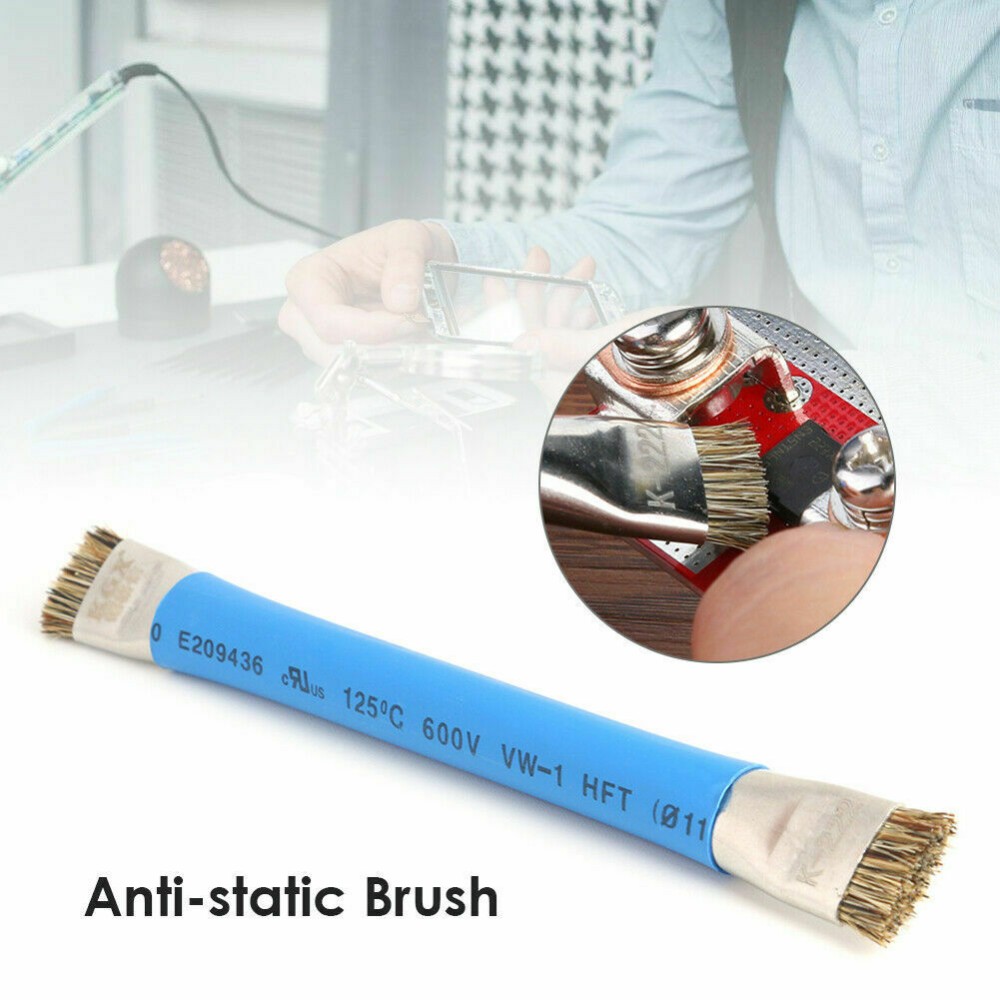
Ultrasonic cleaning is a board‑level process. Removing the logic board, flex cables and any detachable metal shields lets the cavitation reach all solder joints without exposing sealed modules. Whole‑device immersion is discouraged by OEM service manuals (e.g., Apple, Samsung, Sony) because the acoustic pressure can breach adhesive seals and force fluid into the display stack. A swollen lithium‑ion cell is a particular hazard: heat from the bath can trigger thermal runaway. Shops should adopt a standard operating procedure that mandates board removal, battery disconnection, and visual inspection for swelling before any wet cleaning. For shops that also service laptops or game consoles, the same principle applies — clean the PCB, not the assembled unit.
Even when a device appears sealed, residual moisture can remain in connectors and cause corrosion later. A quick visual check under magnification after drying helps catch any trapped fluid before re‑assembly.
Maintenance, fluid disposal and shop safety
Filter fluid daily, replace per manufacturer schedule, and dispose via licensed waste carrier.
Regular filtration extends fluid life; spent solvent is hazardous waste and must follow the GOV.UK hazardous-waste starting point.
A simple mesh filter in the basket catches solder balls, flux residue and metal particles, reducing the load on the fluid. Most fluid suppliers recommend a change interval based on volume processed or visual contamination; keeping a log helps demonstrate compliance during audits. When the fluid reaches its end-of-life, follow the disposal route on the datasheet you actually bought and the waste process your shop already uses. Do not treat a standards-body homepage as a tank or fluid specification, and do not invent a mandatory PPE list for every bench. Use the protection and waste method your risk assessment and the product datasheet require. The GOV.UK electrical-equipment guidance and the hazardous-waste starting point are references only. Ensure the ultrasonic unit is on a stable, level bench with a residual‑current device (RCD) protected supply.
COSHH assessments should cover the specific solvents used, their vapour limits, and the control measures (local exhaust ventilation, closed‑lid operation, spill kits). Review the assessment whenever a new fluid is introduced or the workload changes significantly.
When a cheaper jewellery unit fails PCB work
Jewellery cleaners lack temperature control, degas and suitable baskets for beakers.
Low‑cost 30–40 W jewellery baths often run at a fixed 40 kHz with no heater or timer, causing inconsistent cavitation and overheating of delicate boards.
Budget jewellery units are designed for cleaning rings and watch parts in a small volume of water‑based solution. They typically omit a controllable heater, so the fluid temperature rises uncontrolled during a cycle, which can exceed the safe limit for flux removers and damage conformal coatings. The absence of a degas function means the first few minutes of each run produce weak cavitation, leading technicians to extend cycle times and increase the risk of component vibration damage. Baskets in jewellery units are usually solid metal trays without the height to hold glass beakers, forcing direct board contact with the tank floor. For a professional phone repair shop, the total cost of ownership — including rework from damaged boards — outweighs the lower purchase price. Investing in a unit with independent timer, heater, degas and a proper beaker basket is a safer long‑term decision.
Failure modes observed in practice include: uneven cleaning across the board, lifted components due to uncontrolled vibration, and solvent breakdown from overheating, which leaves residues that later cause short circuits. A unit built for PCB work mitigates these risks through precise temperature regulation and a basket designed for beakers.
Link to ESD and board‑repair tool posts
Combine ultrasonic cleaning with ESD‑safe handling and the right brushes for a complete workflow.
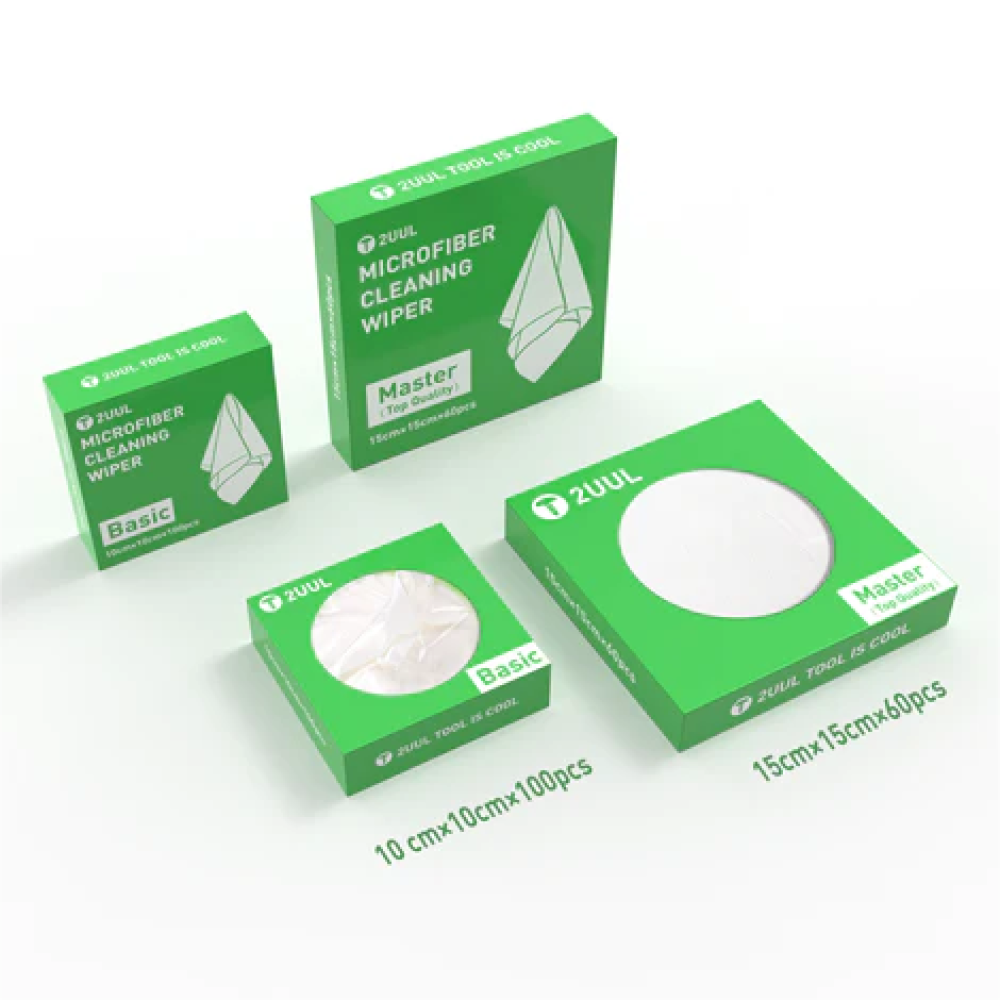
After ultrasonic rinsing, boards must be dried and handled on an ESD‑protected bench; Digi4u’s ESD and PCB cleaning tools guide covers wrist straps, mats and ionisers. The ultrasonic cleaning process post explains when the bath adds value versus manual brushing. For bench accessories, see the cleaning‑tools hub and the broader tools catalogue.
Conclusion
Selecting an ultrasonic cleaner for a UK phone repair shop is a matter of matching tank volume, frequency and accessory compatibility to the board‑level workload. A 1.5–3 L bath with a beaker basket, controllable heater, degas cycle and a transducer in the common 40 kHz range covers the vast majority of smartphone and tablet logic‑board cleaning tasks. Larger tanks add cost and bench space without proportional benefit unless the shop also services laptop‑size PCBs. Fluid choice, daily filtration, and compliant hazardous‑waste disposal complete the operational picture. Avoid jewellery‑grade units that lack temperature control and proper baskets, as they introduce inconsistency and risk to high‑value repairs. Pair the ultrasonic step with ESD‑safe handling, anti‑static brushes and microfiber wipers for a repeatable, professional workflow.
View bench cleaning accessories on Digi4u
FAQ
What tank size is best for a phone‑only repair bench?
Choose a tank whose working volume and basket or beaker layout will take a phone or tablet logic board without stacking boards on the tank floor. Typical small shop tanks are often in a compact litre range, but the right choice is the one on the datasheet in front of you, not a generic jewellery unit. Digi4u did not list an ultrasonic tank on the 22 November 2026 catalogue, so buy the tank from a specialist and use live Digi4u cleaning tools, such as a PCB brush and wipers, beside it. Confirm heat, frequency and basket options before you purchase.
Do I need a higher‑frequency unit for modern flagship phones?
Frequency, heat and degas features change how a tank behaves, but there is no single official figure that covers every flagship board. Use the tank manufacturer’s datasheet and the chemistry you actually run, and start with a known-good scrap board if you are new to a unit. Higher-frequency baths are often chosen for finer work, yet a poorly set heater or an undersized basket can still damage a board. Digi4u does not sell a tank SKU, so do not treat any frequency band mentioned here as a Digi4u product specification.
Can I clean a whole handset in the ultrasonic bath?
No. A sealed phone, a fitted battery, speakers, microphones and already-compromised seals can take in fluid or suffer further damage. Remove the board you intend to clean, isolate the battery, and keep whole-device dunking out of the shop process unless you have a documented method and accept the risk. This size guide is about choosing a tank for board work, not about washing assembled handsets. Pair the tank with bench cleaning tools from the live cleaning-tools hub, and follow your own health-and-safety process for fluid use.
How often should I replace the cleaning fluid?
Follow the interval and disposal instructions on the fluid datasheet you actually bought, not an invented shop timetable. Change the bath when it is contaminated, when the maker says the bath is spent, or when results fall off, and dispose of waste through the route your shop already uses for that chemistry. Do not pour spent fluid down the sink as a default. Digi4u’s catalogue here is for bench cleaning tools, not a tank or a named solvent SKU, so keep fluid buying and waste records against the product you have on the shelf.
Are jewellery ultrasonic cleaners suitable for PCB work?
Often they are a poor fit. A jewellery unit may lack a useful basket or beaker, a controlled heater, or a frequency and tank size that suit a phone board, and the tank floor can sit too close to the PCB. That does not mean every compact tank is useless, but shops should compare those features on the datasheet before buying a cheap unit for board work. Digi4u did not list an ultrasonic cleaner on the live catalogue checked for this article, so this is buying advice, not a claim that a jewellery tank is on the Digi4u shelf.