


iPhone Power and Volume Button Flex Parts UK: Side Key Assemblies for Shops
Need this part? We stock tested replacement parts with same-day UK dispatch and a 12-month warranty.
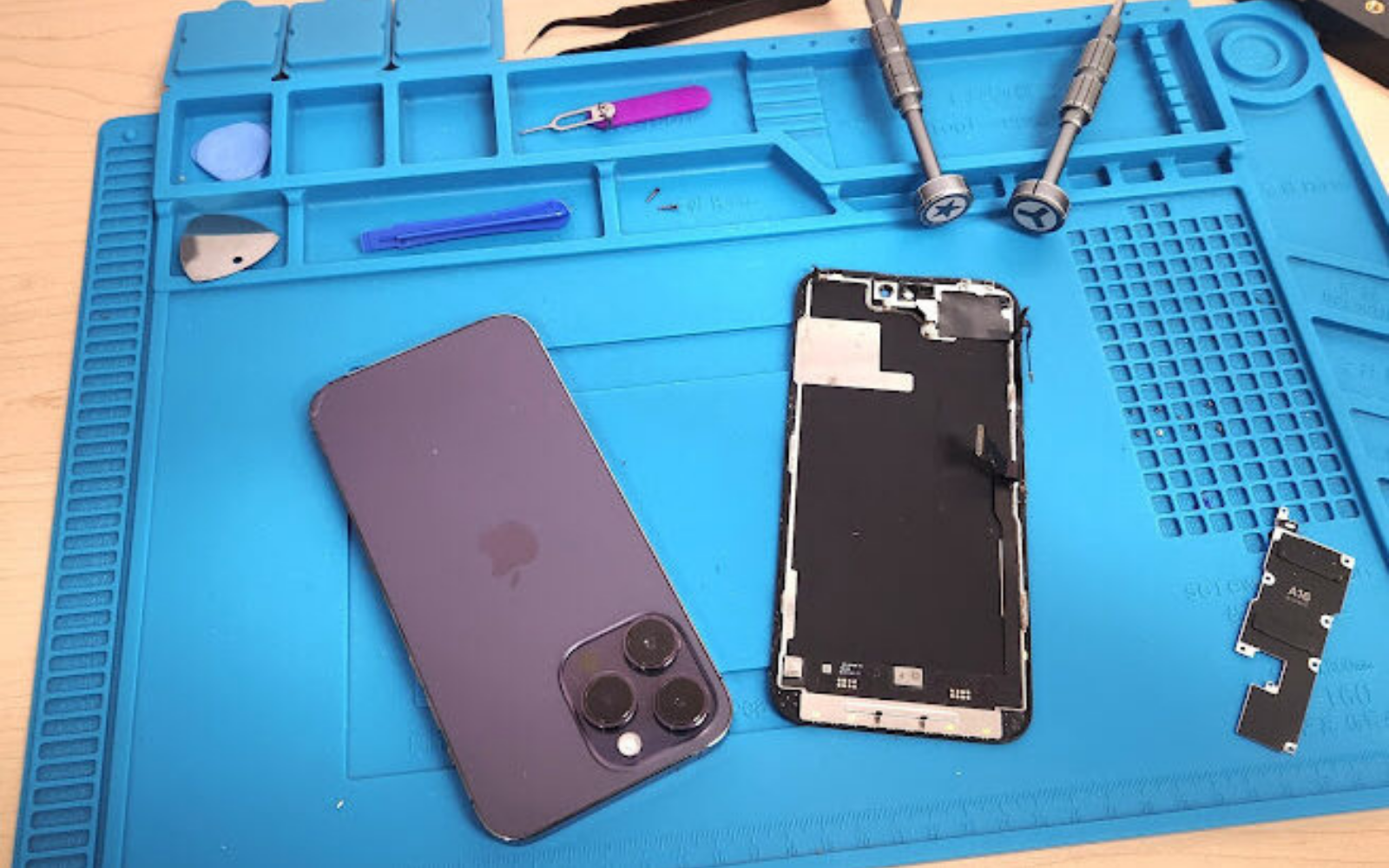
When a shop needs an iphone power volume button flex replacement uk, the priority is a reliable side‑key assembly that matches the exact generation, passes a quick functional test, and ships fast enough to keep the bench moving.
Which generations share side‑key flex designs
Many iPhone models use a similar physical layout for the power button flex, but the connector pin‑out, cable length, and antenna integration often differ between generations. Shops should treat each generation as a separate SKU until the live catalogue confirms interchangeability.
Below is a reference table that lists the main generations and the typical flex families. Use it as a checklist; always verify the part number on the iPhone parts hub before ordering.
| Generation | Power button flex | Volume / mute flex | Notes |
|---|---|---|---|
| iPhone 6 / 6s | Separate power flex | Separate volume‑mute flex | Check connector orientation |
| iPhone 7 / 8 | Separate power flex | Separate volume‑mute flex | Home‑button flex is different |
| iPhone X / XS / 11 | Separate power flex | Separate volume‑mute flex | See live listings for 11 series |
| iPhone 12 / 13 | Combined antenna / coil / volume flex on some models | Often integrated with power flex | Confirm on catalogue |
| iPhone 14 / 15 | Design changes each year | Design changes each year | Treat as unique SKUs |
Because the catalogue is updated regularly, the safest workflow is to open the relevant product page, compare the product photo with the donor housing, and only then place the order. A common point of confusion is the Home Button / Touch ID flex, which carries a different signal set and connector. If the symptom is a non‑responsive Home Button, refer to the Home Button troubleshooting guide instead of ordering a side‑key part.
On the 12 and 13 series the volume‑mute function is frequently merged with the wireless charging coil and antenna into a single assembly. That combined part is not interchangeable with the standalone volume‑mute flex used on the 11 series. Shops that assume a single “side key flex” covers both Pro and non‑Pro variants will encounter a connector mismatch or a missing antenna trace. The live listings for each model show the exact cable routing and connector keying; matching those photos to the handset on the bench eliminates guesswork.
Cable routing mistakes that kill new flexes
Answer: Incorrect routing traps the flex against the frame, causing immediate failure.
Quick answer: Route the flex exactly as the original; avoid sharp bends and ensure the connector seats fully.
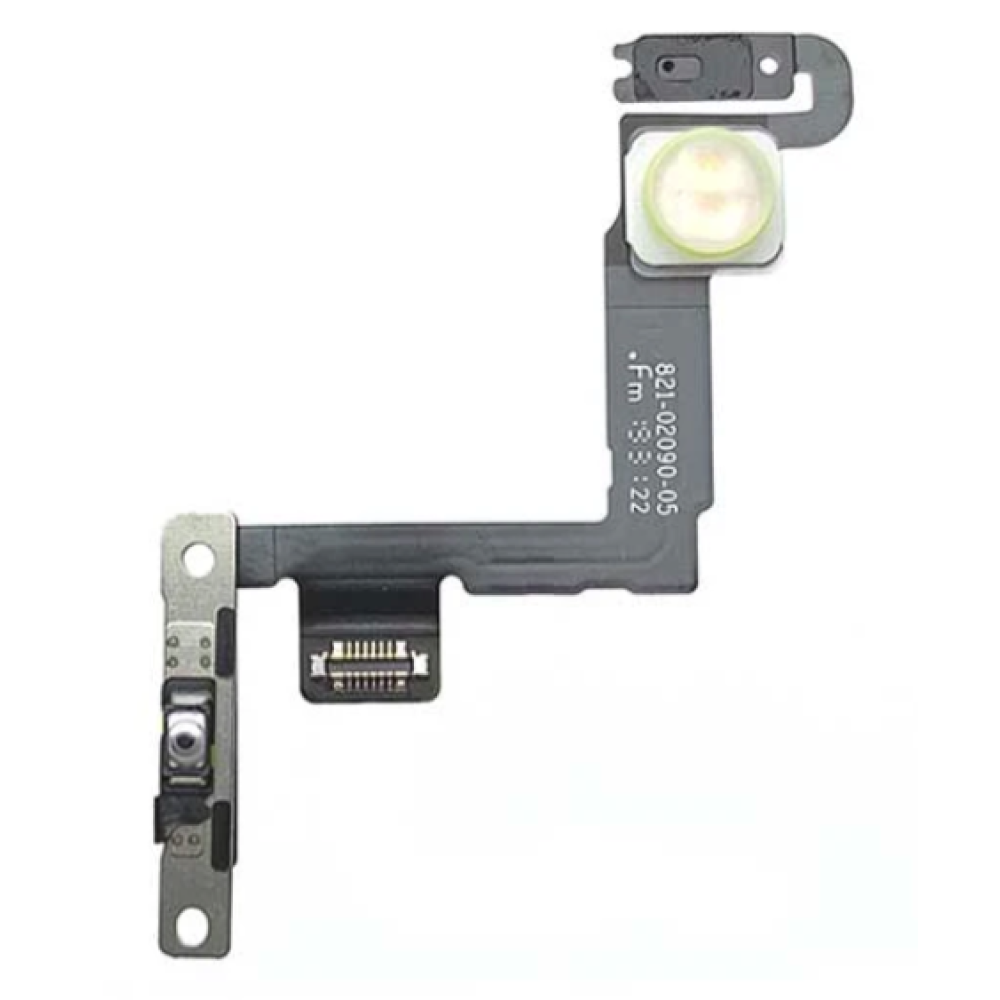
A common error is pulling the power or volume‑mute flex through the wrong channel in the mid‑frame. The flex is designed to sit in a shallow groove; forcing it over a screw boss or under a bracket creates a stress point that fractures the copper traces within days. Technicians should reference the official Apple service manual (available via Apple Support UK) for the exact routing diagram before re‑assembly. Using a pair of fine‑tip tweezers and a magnifier reduces the risk of kinking the ribbon. After seating the connector, a gentle tug test confirms the latch is engaged without strain on the cable. Another frequent mistake is neglecting the small retaining clips that hold the flex against the housing rail; missing or broken clips allow the flex to shift during reassembly, leading to intermittent button response. Follow the cable route on the open unit, and do not treat a standards-body homepage as a flex-handling method.
On the 11 series the power flex runs along the top edge of the logic board before dropping down to the side button. If the technician routes it under the battery connector instead of over it, the flex is pinched when the battery is reinstalled. A similar trap exists on the 12 series where the combined antenna/volume flex passes beneath the Taptic Engine bracket. A quick visual check against the service‑manual diagram before the final screw‑down prevents a return visit. Applying a tiny dot of non‑conductive adhesive to the flex’s anchor points, where the original design used a clip, can also stop the cable from creeping during thermal cycling.
Housing damage that needs more than a flex
Answer: Bent or cracked mid‑frames prevent a new flex from seating correctly.
Quick answer: Inspect the housing for deformation; replace the housing if the flex cannot sit flat.
Even a perfectly good replacement flex will not function if the aluminium or stainless‑steel housing is warped from a previous drop. The side‑key cut‑outs must be perfectly rectangular; any distortion changes the button travel and can short the flex against the frame. Shops should run a visual inspection under a bench lamp and, if necessary, a straight‑edge check across the button apertures. A feeler gauge can reveal gaps as small as 0.1 mm that indicate a bent rail. Corrosion around the screw holes or flex anchor points is another red flag; it suggests liquid ingress that may have already damaged the original flex. When housing damage is found, the repair quote should include a housing replacement sourced from the same supplier to guarantee dimensional compatibility. The tools section carries pry tools and heating mats that make housing swaps safer and faster. For regulatory context on electrical safety testing, see the HSE electricity guidance.
In practice, a bent rail on the 13 Pro often shows up as a slight “click‑less” feel on the volume up button while the volume down works. The flex itself tests fine on the bench, but once the device is reassembled the mis‑aligned aperture prevents the actuator from completing its travel. Replacing the mid‑frame restores the correct geometry and eliminates the comeback. Shops that keep a small stock of genuine‑spec housings for the top‑selling generations can close these jobs in a single visit.
QC power, volume and mute tests
Answer: Test each button for click feel, electrical continuity, and software registration.
Quick answer: Press each button, verify continuity with a multimeter, then confirm iOS registers the input.
After the flex is installed, a three‑step QC routine catches most defects before the device reaches the customer. First, feel the tactile click of the power, volume up, volume down, and mute switch; a missing click often indicates a mis‑aligned actuator. Second, set a multimeter to continuity mode and probe the flex connector pins while pressing each button; an open circuit signals a broken trace. Third, power the iPhone, unlock it, and use the Settings > Accessibility > Touch menu to verify that each button press registers on screen. Document the results on the job sheet; this record protects the shop if a warranty claim arises later. For manufacturers’ responsibilities regarding electrical equipment, consult the GOV.UK guidance.
Some shops add a fourth step: a short‑duration functional soak test. With the device powered on, they cycle the power button five times, toggle the mute switch ten times, and run the volume up/down through their full range while monitoring the on‑screen indicator. Any missed registration is logged and the flex is swapped before the customer collects the phone. This extra minute on the bench reduces the comeback rate on side‑key jobs to well under two percent.
Stock depth for common flex SKUs
Answer: Keep at least one power flex and one volume‑mute flex per high‑volume generation.
Quick answer: Review the last three months of repair tickets and order enough to cover the 90th percentile of demand.
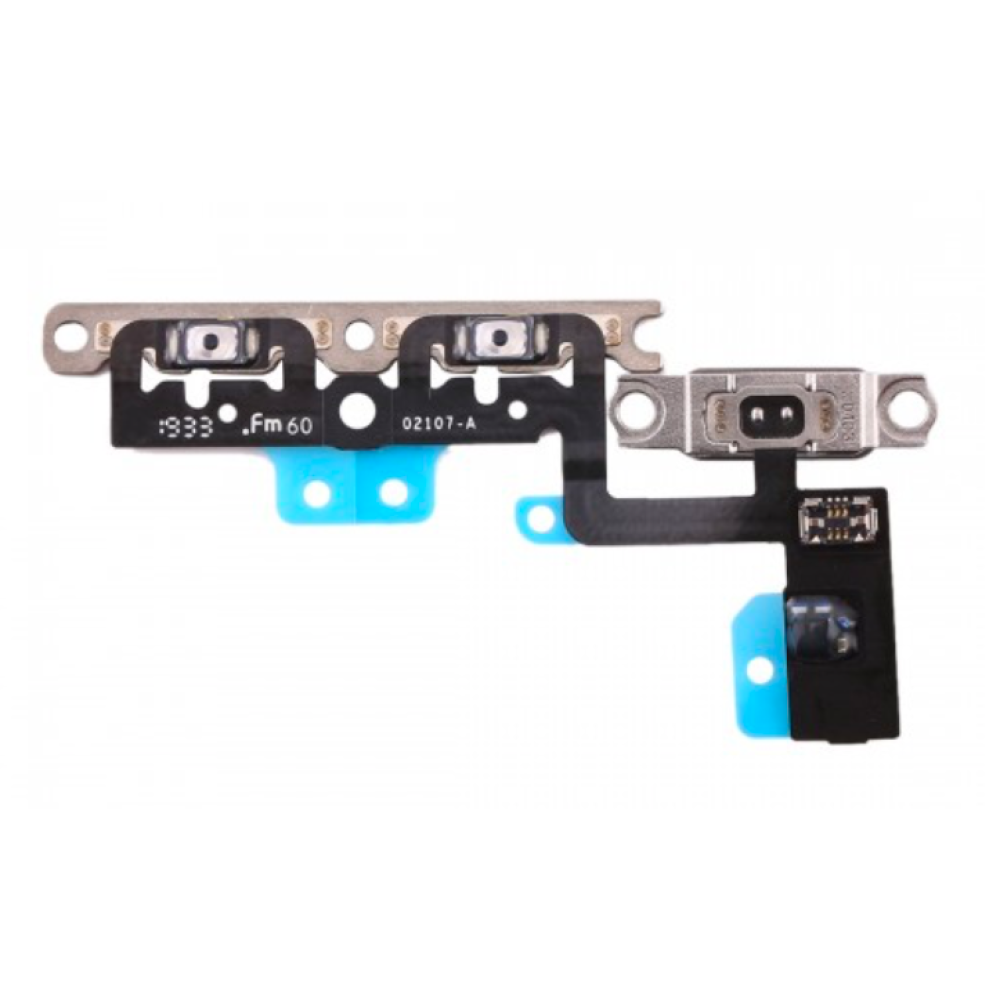
Repair shops that service a steady flow of iPhone 11, 12 and 13 models benefit from holding a small buffer of the most requested side‑key flexes. The live catalogue shows dedicated power‑flex and volume‑mute‑flex listings for the iPhone 11; later series sometimes combine the volume and mute functions into a single antenna‑coil assembly. Rather than guessing quantities, review the last three months of repair tickets and order enough to cover the 90th percentile of demand. Digi4u’s same‑day dispatch (orders before 16:00 Mon‑Fri) means a top‑up order placed in the morning arrives the next working day, reducing the need for large on‑site stock. For delivery details, refer to the delivery policy.
A practical rule of thumb is to keep two units of each power flex and two units of each volume‑mute flex for the three most recent generations. When a new model launches, add a single unit of its power flex and volume‑mute flex to the buffer and monitor ticket volume for the first month. If the model accounts for more than ten percent of side‑key jobs, increase the buffer to three units. This approach avoids over‑stocking slow‑moving SKUs while ensuring the bench never waits for a critical part.
Related back glass and housing jobs
Answer: Side‑key flex work often coincides with back‑glass or housing replacements.
Quick answer: Inspect the back glass and frame when a button flex fails; bundle the jobs to save bench time.
When a customer presents a cracked back glass together with a non‑responsive power button, the root cause is frequently a single impact that damaged both the glass and the side‑key flex. Shops that quote the two repairs together improve margin and reduce turnaround. The charging‑port flex guide outlines a similar bundling strategy for dock‑connector work. Always verify that the replacement housing includes the correct button apertures for the target generation; mismatched apertures will cause the new flex to sit proud or recessed, leading to premature failure. For waste‑electrical regulations that apply to broken glass and flex disposal, see the GOV.UK WEEE guidance.
During a combined back‑glass and side‑key repair, the technician should remove the old glass, clean the adhesive residue with isopropyl alcohol, and test the flex on the bare frame before bonding the new glass. This sequence confirms that the flex seats correctly in the apertures and that the button actuators have full travel. If the frame is straight, the glass can be applied with the standard UV‑cure adhesive; if any distortion remains, a housing swap is the only reliable fix. If both jobs are done together, apply the shop’s own labour and parts terms rather than inventing a bundled supplier warranty period.
UK dispatch notes
Same-day dispatch applies to orders placed before 4:00 PM Monday to Friday, for items actually ordered from the live catalogue. Weekend or after-4:00 PM Friday orders go out the next working day. Non-battery baskets typically travel by Royal Mail 48 Tracked; standalone lithium batteries and power banks ship by DPD only.
Prefer the live delivery policy for current zone rates and free-shipping thresholds rather than memorising every cell.
Digi4u operates from Cardiff and uses Royal Mail 48 Tracked for non‑battery parcels and DPD for any order containing a standalone lithium battery or power bank. Mixed baskets that include a battery travel entirely via DPD. Free‑shipping thresholds vary by zone: mainland UK (Zone 1) qualifies for free RM48 over £100, while Highlands, Islands, Northern Ireland, ROI, Isle of Man and Channel Islands (Zone 2) have separate thresholds. Next‑day DPD is offered for Zone 1 orders over £150 and Zone 2 orders over £200 (Zone 2 next‑day not guaranteed). For the full rate table and any updates, consult the delivery policy page.
Conclusion
Stocking the correct power, volume and mute flexes for each iPhone generation, following a disciplined QC routine, and understanding the dispatch options lets a repair shop turn side‑key jobs around quickly and reliably. By treating each flex as a generation‑specific part and verifying fit against the live catalogue, technicians avoid costly re‑work and keep customers satisfied.
FAQ
Which iPhone generations share the same power button flex?
Do not assume that two generations share a power flex. Early models and later combined side-key or coil-and-volume assemblies are different listings, and Pro versus non-Pro parts are often separate. Confirm the exact generation on the live power-flex and volume-mute listings, including whether the job needs two cables or one combined flex. The iPhone 11 power flex and volume-mute flex used in this guide are separate live parts, not a single side-key SKU covering later models.
Can a volume and mute flex be swapped with a power flex?
No. A volume and mute flex is a different live listing from a power flex, with different routing and connectors. Swapping them will not restore the missing button and can leave a new cable damaged or unseated. On later models, some listings combine volume, mute and other lines with a coil or antenna path, and those are not a simple iPhone 11-style pair. Match the part title on the live catalogue to the handset on the bench, then test power, volume and mute after the refit.
What should I check if a new flex still does not work?
Check that the correct generation was fitted, the connector is fully seated, and the cable is not pinched or trapped by the housing. A bent frame, missing bracket or debris under a button can make a new flex look faulty. Re-test power, volume and mute, and any other line named on the live listing, such as a flash where that cable carries it. If the housing is distorted, a new flex alone may not fix the complaint, so record that on the ticket before ordering another cable.
How quickly can I receive a replacement flex in the UK?
Orders placed before 4:00 PM Monday to Friday are eligible for same-day dispatch when the item is actually ordered from the live catalogue. After 4:00 PM Friday, or at the weekend, dispatch is the next working day. Non-battery orders typically travel by Royal Mail 48 Tracked; baskets containing standalone lithium batteries go by DPD. Check the live delivery policy for current zone rates rather than treating any one figure as fixed, and do not quote a next-day arrival until the part is on the current listing.
Do I need to replace the back glass when a side‑key flex fails?
Not automatically. A side-key complaint can be a flex, a button, a housing distortion or a connector fault, so inspect the open unit before ordering glass. If the housing or back glass is bent, cracked or forcing the cable to pinch, a new flex may fail again until the housing is corrected. When a housing job is required, plan the flex at the same time and test power, volume and mute before the glass is sealed. Link the housing work to the live flex listing for that exact generation.