


Galaxy Watch Screen Replacement Parts UK: Active and Classic Fit Notes for Shops
Need this part? We stock tested replacement parts with same-day UK dispatch and a 12-month warranty.
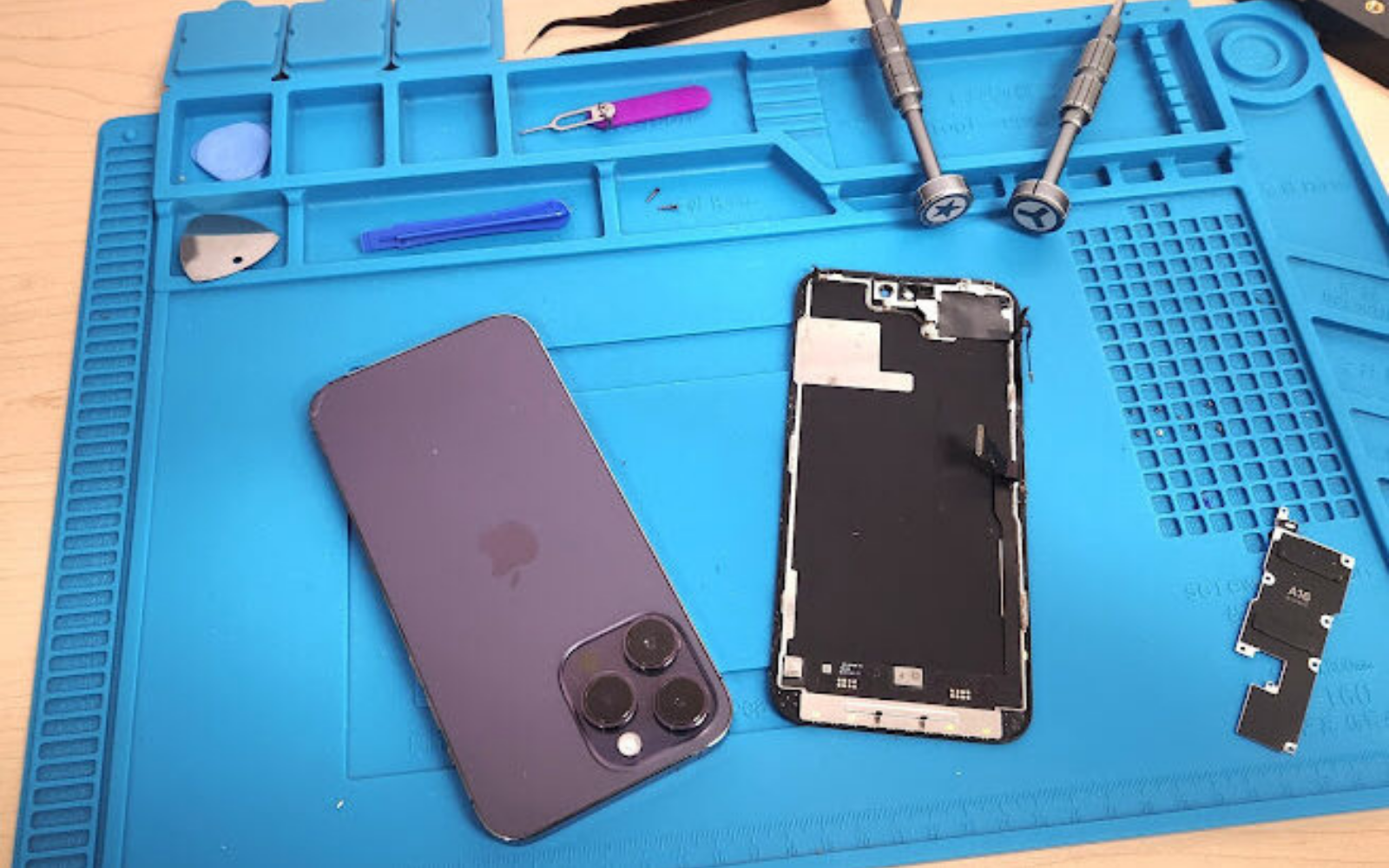
Galaxy Watch screen replacement parts UK are a growing category for wearable repair shops that need to match Active, Classic and FE case sizes before ordering. This guide outlines the fit matrix, frame versus bare‑glass economics, sensor verification after sealing, adhesive and gasket choices, packing for small OLED panels and cross‑sell opportunities with Apple Watch kits.
What is the Active vs Classic vs Watch FE size matrix for buyers?
Active, Classic and FE models each use distinct case diameters and lug widths that are not interchangeable across generations.
Shops must read the model number on the watch back, measure the case diameter and lug width, and match those details to the supplier listing before ordering any panel.
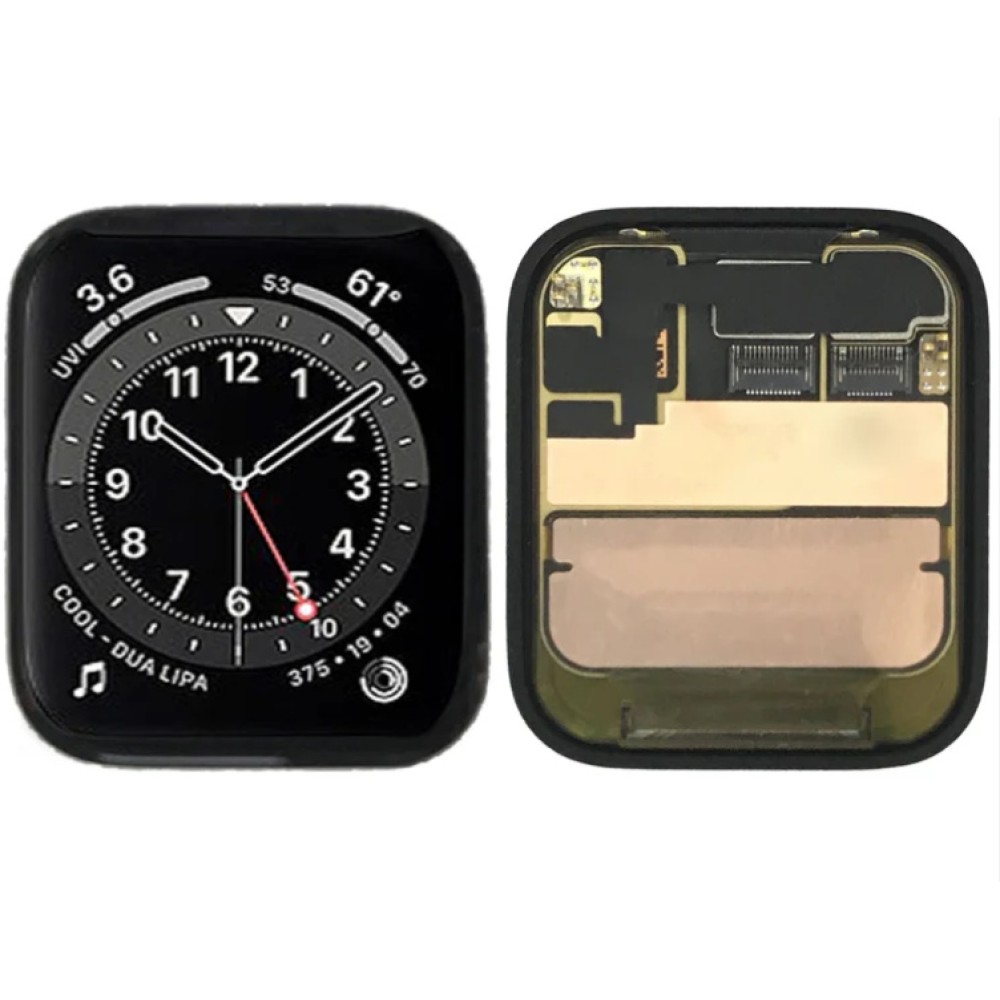
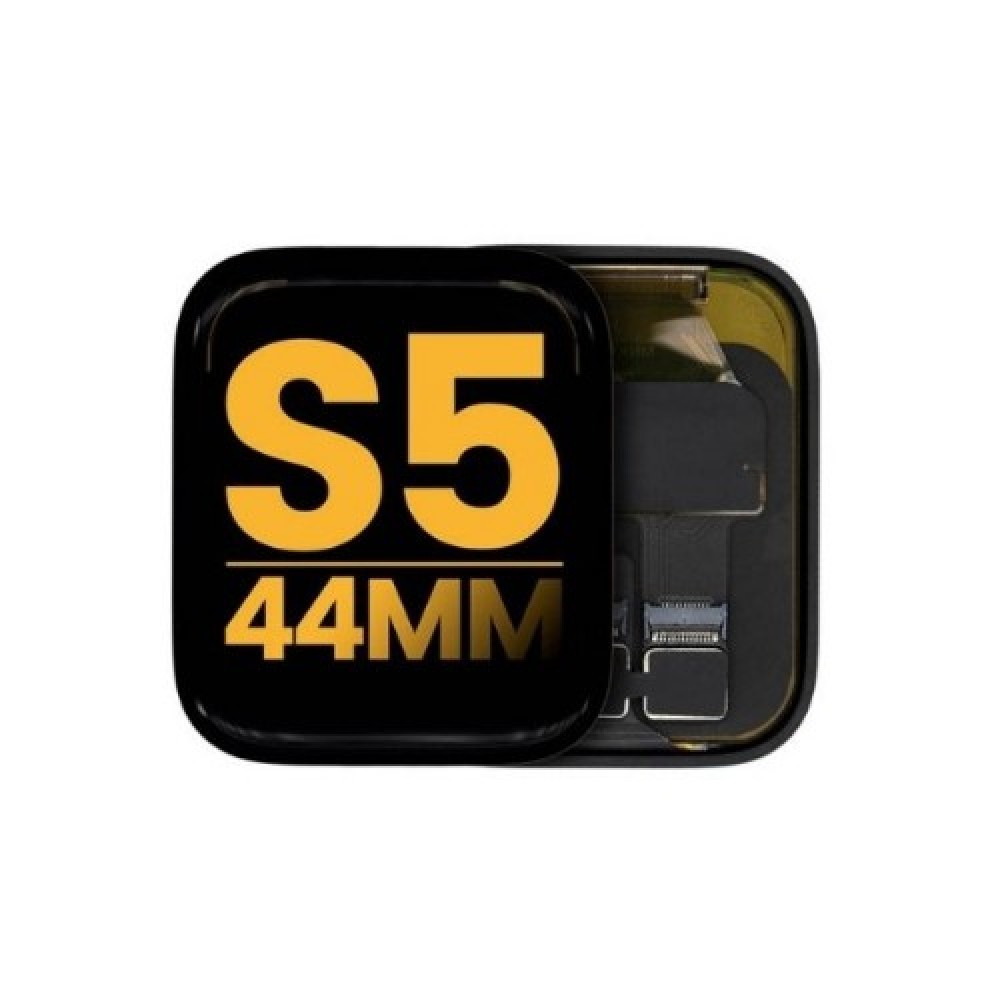
Samsung’s wearable line splits into three families: the Active series, the Classic series and the newer FE (Fan Edition). Each generation – Watch4, Watch5, Watch6 – introduces subtle bezel‑to‑glass tolerances that affect whether a framed module or a bare glass will seat correctly. A practical approach is to keep a printed reference at the bench that lists model, case diameter, lug width, sensor cut‑out positions and the corresponding supplier SKU once it becomes available. Until a Galaxy Watch panel is listed on the Samsung parts hub, technicians should confirm the exact case size with the customer’s device and note the generation code from the case back. This discipline mirrors the millimetre‑and‑generation split already seen in the Apple Watch Series 6 40 mm versus Series 5 44 mm listings. The photographs in this article illustrate why millimetre and generation matter; they are not Galaxy Watch parts.
Should shops choose OLED with frame or bare glass for Galaxy Watch repairs?
Framed modules simplify alignment but cost more; bare glass is cheaper but demands precise adhesive work and a separate bezel.
The choice depends on shop volume, tooling investment and risk tolerance. Framed assemblies reduce re‑work time, while bare glass requires a clean UV adhesive process and a pressure‑test step for internal QC.
When a framed assembly is available it includes the display, digitiser and metal bezel pre‑bonded, which eliminates a separate adhesive cure cycle and lowers the risk of dust ingress. The trade‑off is a higher unit price and a larger inventory footprint. Bare glass panels are cheaper per unit but require a clean‑room‑grade UV adhesive, a precision jig for bezel placement and a post‑cure seal check to satisfy the shop’s own quality standard. Shops that already stock a UV curing station and a small press may find the bare‑glass route economical for high‑volume Active repairs, whereas lower‑volume Classic jobs often justify the framed module’s speed advantage. In either case, verify the part number against the model identification steps above before committing to a purchase. Digi4u’s tools section lists UV lamps and alignment jigs; check the live catalogue to see what is currently available.
How to verify heart‑rate and ECG sensors after a seal repair?
Test heart‑rate and ECG functions before handing the watch back, compare readings with the customer’s expectation, and record the results on the repair ticket.
Run the sensor self‑test in the watch settings, note any deviation, and inform the customer that sensor performance may differ from a factory‑sealed unit.
After resealing a Galaxy Watch, the optical heart‑rate sensor and, on supported models, the ECG electrode can be affected by adhesive squeeze‑out or a mis‑aligned gasket. The recommended workflow is to power the watch, open the Samsung Health app, and start a manual heart‑rate measurement. Record the reading and compare it with a reference device if one is available. For ECG, initiate a recording and verify that the waveform appears without excessive noise. Document the results on the repair ticket. If a sensor fails, inform the customer that the water‑resistance seal was checked but the sensor may need a separate module replacement. Samsung’s official support category provides a starting point for troubleshooting (Samsung UK mobile‑device support).
Which adhesive, gasket and pressure‑test steps ensure water resistance?
Opening a watch for a screen or gasket job means the factory water‑resistance rating should not be assumed afterwards.
Shops may perform leak or seal checks as internal QC, but those checks do not restore or certify the original IP68 or ATM rating. Tell the customer clearly that the official rating is not guaranteed after repair.
Follow the adhesive and gasket datasheet in front of you; do not invent cure times, pressures, wavelengths or thicknesses. The repair sequence should be: clean the frame and glass with isopropyl alcohol, apply the adhesive specified by the manufacturer, seat a new silicone gasket (never reuse the old one), and cure per the datasheet. Any pressure test the shop carries out is a quality‑control step for that shop only; it does not replicate the manufacturer’s certification. A handheld vacuum tester or a bench‑top chamber can indicate a seal, but a pass does not mean the original rating is restored. For workplace risk assessment when handling adhesives and pressure equipment, refer to the HSE overview (HSE managing risks and risk assessment). The British Standards Institution’s standards information page is a starting point for any relevant enclosure standards (BSI standards).
What band and charging‑puck add‑ons improve hand‑back value?
Offering compatible bands and a spare charging puck can increase average order value and reduce returns due to worn straps.
Stock quick‑release bands plus the magnetic charger for the relevant models so customers leave with a complete kit.
When a customer collects a repaired Galaxy Watch, read the case size, lug width and model number from the watch, then offer a compatible band only after those measurements. A spare magnetic charging puck turns a single‑part sale into a bundle. The bands are low‑cost, high‑margin items that also reduce the likelihood of a return due to a worn strap. The charging puck is a frequent loss item; keeping a few in stock ensures the shop can fulfil the bundle immediately. Digi4u’s Apple Watch hub shows how bundled kits are presented for the Apple ecosystem, and the same merchandising logic applies to Samsung wearables.
How should UK shops pack small OLED watches for dispatch?
Protect the glass, use a rigid box with cushioning, and follow the courier’s requirements for the shop’s own outbound shipment.
Digi4u’s delivery policy covers Cardiff‑to‑shop dispatch only; for shop‑to‑customer shipments, choose a tracked service and pack to prevent pressure on the OLED. Check the live delivery policy for Digi4u’s Cardiff‑to‑shop cut‑off times and courier rules.
Small OLED panels are susceptible to pressure points and static discharge. A general packing method is: place the watch face‑down on an anti‑static bag or foam sheet, add a second cushioning layer, then insert into a rigid corrugated box. Seal securely with tape and attach a “Fragile” label. If the parcel contains a standalone lithium battery or power bank, the courier may require a dangerous‑goods service; otherwise choose a tracked service. For the shop’s own waste duties when disposing of packaging, refer to GOV.UK business waste guidance (GOV.UK dispose business commercial waste). For customer‑facing returns wording, see GOV.UK accepting returns and giving refunds (GOV.UK returns and refunds).
Can Apple Watch screen kits be cross‑sold on a mixed bench?
Apple Watch screen kits can be offered alongside Galaxy Watch repairs as a mixed‑bench service, but parts are not interchangeable.
Technicians familiar with wearable screen workflows can add Apple Watch panels with minimal extra tooling, though each ecosystem has proprietary screws and connectors.
The repair steps for Apple Watch Series 6, SE and earlier models – disassembly, adhesive removal, screen placement, UV cure and seal check – are similar to the Galaxy Watch process. The main differences are the proprietary screw patterns and the display connector orientation. By stocking a few high‑turn Apple Watch SKUs (e.g. Series 6 40 mm and Series 5 44 mm) alongside the Samsung range, a shop can serve customers who own both ecosystems without investing in separate tooling. Digi4u’s Apple Watch screen guide details the fit matrix for those models and can be used as a reference when setting up the mixed bench.
Accurate model identification, the right adhesive system and a verified seal check remain the pillars of a reliable wearable screen repair. By applying the same disciplined matrix approach used for Apple Watch kits, UK shops can expand into Galaxy Watch panels with confidence. Digi4u’s live wearable listings on 2026‑11‑15 were Apple Watch screens; Galaxy Watch panels were not listed. Confirm current Galaxy Watch availability on enquiry with the exact model from the watch. Dispatch of any in‑catalogue watch screen follows the usual Cardiff cut‑off and the live delivery policy; do not freeze courier cells on a laminated bench card.
FAQ
Which Galaxy Watch models share the same screen dimensions?
Active, Classic and FE families each have distinct case diameters and lug widths that vary by generation. Shops must read the model number on the watch back, measure the case and lugs, and match those details to the supplier listing before ordering. No two generations are guaranteed to share the same screen dimensions.
Is a framed OLED module always preferable to bare glass?
A framed module speeds up the repair and reduces alignment errors, but it costs more per unit. Bare glass is cheaper and works well for shops that already have UV curing equipment and a precision jig; the choice depends on volume, tooling investment and the shop’s quality‑control process.
How can a shop verify water‑resistance after a screen replacement?
A shop may perform a leak or seal check as internal QC, but this does not restore or certify the original IP68 or ATM rating. Follow the adhesive and gasket datasheet, replace the gasket, cure per the manufacturer’s instructions, and record the test result. Inform the customer clearly that the factory rating is not guaranteed after repair.
What packing materials should a shop use for shipping repaired watches to customers?
Use an anti‑static bag or foam sheet, a rigid corrugated box with enough cushioning to prevent pressure on the OLED, and secure tape. Choose a tracked courier service that accepts the contents; if a standalone lithium battery is included, the courier may require a dangerous‑goods service. Digi4u’s delivery policy covers only Cardiff‑to‑shop shipments.
Can Apple Watch and Galaxy Watch screen repairs share the same tools?
Many tools overlap – UV lamps, precision tweezers, opening picks – but each ecosystem uses proprietary screws and connector orientations. Shops should keep a small set of dedicated drivers for each brand and verify the tooling list against the live Digi4u tools catalogue before starting a mixed‑bench job.